
Key Takeaways
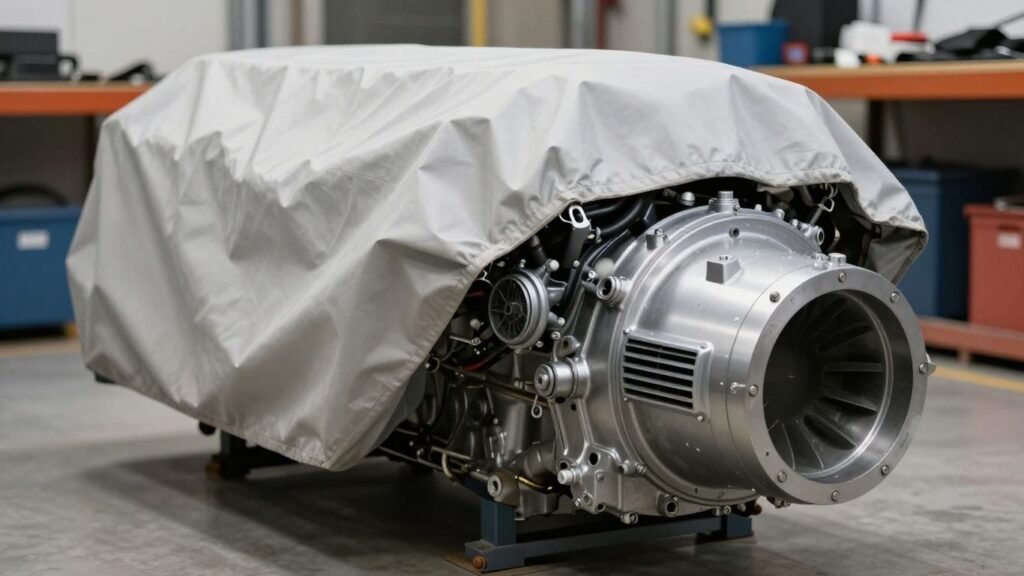
Preparation is the most effective way to avoid spring engine troubles by addressing moisture, fuel stability, and battery health before the temperatures drop. Here are five essential steps for keeping your equipment ready for long-term storage.
- Use high-quality synthetic lubricants to protect internal components.
- Stabilize your remaining fuel to prevent ethanol-related phase separation.
- Flushing the cooling system removes salt and debris that cause internal corrosion.
- Keep lead-acid batteries fully charged with an appropriate maintenance charger.
- Apply protective sprays to prevent rust on exposed exterior hardware.
Engine lubrication and filter kits
Properly preparing your Suzuki engine for seasonal downtime begins with addressing the lubrication system before it sits dormant for months. Fresh lubricant is essential because used fluids contain acidic contaminants that can etch bearings and cylinder walls during long periods of inactivity.
Selecting the correct synthetic oil viscosity
Manufacturers recommend specific viscosities based on temperature ranges and operating conditions to balance film thickness and cold-start flow. For many, switching to ECSTAR lubricants ensures that the oil maintains a stable protective barrier even if ambient temperatures fluctuate significantly during winter storage. Always refer to your service manual to confirm the factory-recommended grade for your specific model year.
Why OEM oil filters matter for winter storage
Quality is non-negotiable when choosing between aftermarket options and components designed for the internal tolerances of your engine. Relying on Suzuki genuine OEM filters guarantees that the check valves and housing diameters match the factory design perfectly, which stops oil from draining away from critical surfaces while the unit sits idle for weeks.
Importance of flushing contaminants before storage
Running the engine for a brief period under load before draining the old oil facilitates the removal of combustion byproducts that have dissolved into the lubricant. By clearing out these particles early, you prevent sludge buildup and allow the new oil to provide maximum protection for internal parts throughout the entire winter season.
Fuel system stabilizers and components
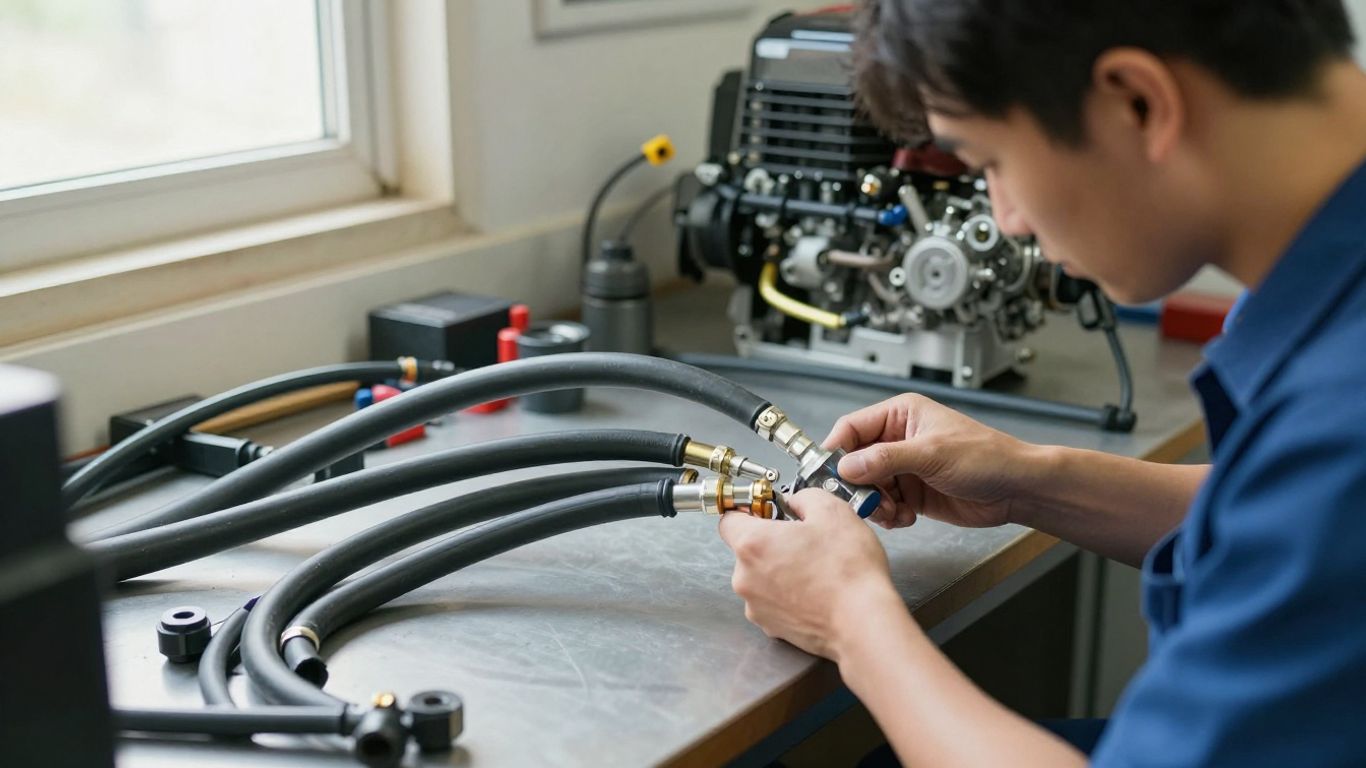
Degradation is a common concern as fuel quality varies, and leaving untreated gasoline in a system leads to gum deposits that foul internal passages. Addressing this early allows you to contact our team if you notice signs of degradation, as stale fuel often leaves behind solids that clog sensitive components.
Protecting against ethanol-related degradation
Ethanol is hygroscopic, meaning it absorbs water from the air and leads to a phenomenon known as phase separation, where the water and fuel layer out. Adding a high-quality stabilizer shortly before your final run of the season ensures that the additives circulate through the lines and into the tank where they can effectively counteract those moisture-driven changes.
Replacing fuel filters to prevent clogs
Regular filter maintenance is critical for managing performance and preventing unexpected stalling. Monitoring your replacement interval is part of using the correct winter Suzuki maintenance parts to protect your fuel flow.
| Inspection Point | Recommended Action | Frequency |
|---|---|---|
| Fuel Water Separator | Drain and Inspect | Monthly |
| In-line Fuel Filter | Replace Element | Yearly |
| Fuel Feed Lines | Check for Cracks | Yearly |
Replacing these filters promptly ensures that when spring arrives, the system is clean and free of the abrasive debris that accumulates in the fuel tank over time. Consistent maintenance here prevents the need for invasive cleaning later.
The role of fuel injectors in preventing cold-start failures
Fuel injectors operate with extreme precision, and allowing varnish to form inside their tiny nozzle seats causes poor spray patterns or complete blockage. Storing your equipment with a properly treated, full tank of fuel minimizes the air exposure that leads to these stubborn varnish buildup issues.
Gearbox and cooling system parts
Water trapped inside the lower unit or coolant galleries can freeze and cause catastrophic structural damage to seals and soft alloys. Removing any moisture present in high-pressure cavities is a fundamental step in your seasonal preventative routine.
Inspecting gear lube for signs of water ingress
Checking your gearbox oil after the final trip reveals whether the seals are failing. If the oil appears milky or thick and cloudy, it contains emulsified water that must be drained and replaced immediately to prevent rusting and ice expansion once the temperature drops below freezing.
Replacing seals to prevent moisture buildup
Seals eventually become brittle or worn, allowing external elements into your gearcase and causing structural failure. Replacing these gaskets periodically according to the recommended service schedule serves as a vital safeguard against letting corrosives reach the internal bearings and gears.
Flushing the cooling system with antifreeze agents
Flushing the cooling passages removes accumulated salt, sand, and mineral deposits that trap moisture against aluminum water jackets. Leaving these contaminants inside the engine provides a bridge for corrosion to eat through components while the machine sits in your storage facility.
Battery health and electrical connectivity
Batteries left in a discharged state during winter lose their capacity far faster than those kept at full voltage. Managing your electrical system prevents the sulfation that renders a battery useless after only a few months of neglect.
Choosing a trickle charger for lead-acid batteries
Using a smart charging device allows the system to monitor the charge level and supply current only when necessary. This cycle promotes long-term plate health and avoids the common cycle of overcharging or letting the charge drop below a safe threshold.
Constant voltage maintenance prevents internal lead plates from developing permanent crystalline structures that prevent the battery from holding a charge in the future.
By keeping the voltage stable through a programmed smart charger, you drastically extend the service life of your electrical storage and ensure the starter solenoid receives the necessary power to engage properly during your first spring startup.
Preventing terminal corrosion in cold weather
Oxidation happens quickly in humid winter settings and creates high-resistance junctions that block electron flow. Cleaning the terminal posts and applying a light coat of dielectric grease provides a seal against the moist air that causes this detrimental green or white crust to form on lead connectors.
Managing voltage drops during long-term storage
Parasitic draws from clocks, onboard computers, or security sensors can slowly drain a battery even while the engine remains turned off. Disconnecting the negative cable or ensuring a constant trickle-charge connection mitigates these small losses and prevents you from returning to a completely dead system in the spring.
Protective sprays and anti-corrosion hardware
Final layers of protection on the surface hardware serve as the last defense against rust for the outer housing of your machine. A comprehensive spray-down prevents ambient humidity from turning your engine components into sights of surface corrosion.
Applying marine-grade fogging oil to cylinder heads
Fogging oil is specially formulated to coat the walls of the combustion chamber and keep the piston rings from sticking to the cylinder sleeves. A light misting into the intake while the engine is running or directly into the spark plug holes creates a persistent vapor barrier that lasts through the entire storage duration.
Shielding exposed metal with specialized corrosion inhibitors
Many external brackets and linkage points are prone to light surface rust when they sit in a damp storage climate. Applying a dry-film inhibitor creates a durable shield that remains flexible and prevents oxygen from contacting the vulnerable steel bits of your linkage and throttle assembly.
Checking sacrificial anodes for signs of seasonal wear
Even in storage, monitoring these pieces is a great habit to maintain, as they show you how well your system is resisting surrounding environmental corrosives. Replace anodes if they have worn down by more than half their original mass to ensure the next season begins with full cathodic protection against internal electrolysis damage.
Conclusion
Following these steps ensures that your machinery remains protected against the unique environmental challenges of low-usage periods. By focusing on proper lubrication and reliable storage practices, you can enjoy peace of mind and maximize the service life of your equipment.