Blog

Your blog category

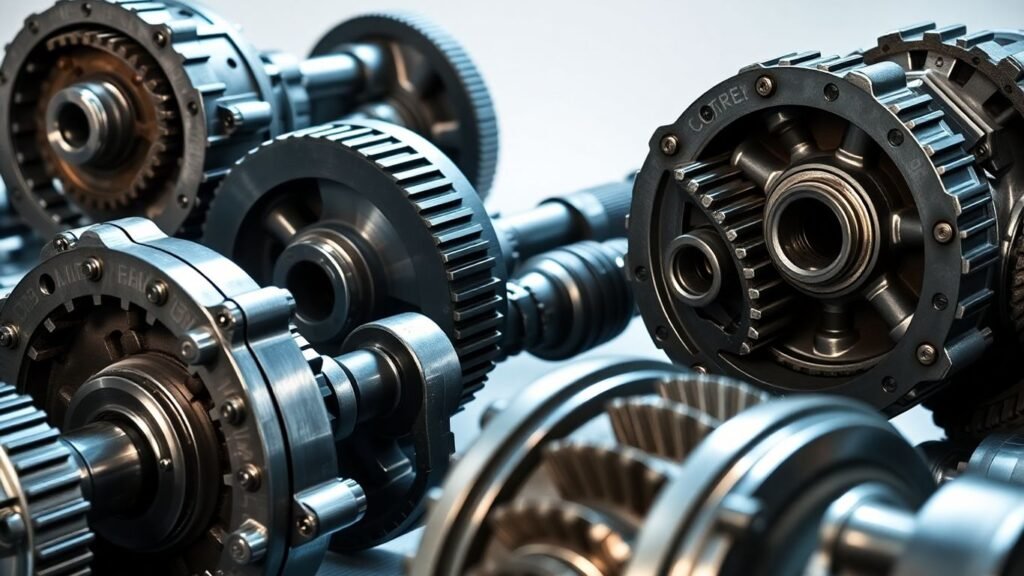
VW Jetta gearbox and transmission components
Blog

Troubleshooting Your VW Jetta Gearbox and Transmission: Common Issues & Solutions

Your VW Jetta gearbox and transmission are pretty important for getting around. Like any car part, they can sometimes act up. Maybe you’re noticing some weird noises, or perhaps shifting isn’t as smooth as it used to be. It’s not always a huge deal, and often, there are simple fixes or maintenance steps you can take to get things back on track. This guide will help you figure out what might be going on with your VW Jetta gearbox and transmission and what to do about it. Key Takeaways Common VW Jetta gearbox and transmission issues include delayed or hard shifting, slipping gears, grinding noises, and fluid leaks. Warning lights on your dashboard, erratic shifting, or signs of transmission overheating are indicators that your VW Jetta gearbox and transmission need attention. Regularly checking and maintaining your transmission fluid – ensuring it’s at the right level and clean – is vital for the health of your VW Jetta gearbox and transmission. Mechanical problems in your VW Jetta gearbox and transmission might involve worn internal parts, clutch issues, or problems with the valve body and torque converter. For complex issues, especially with DSG or electronic transmissions, or if you’re unsure, seeking professional help from a trusted VW specialist is the best course of action for your VW Jetta gearbox and transmission. Understanding Common VW Jetta Gearbox and Transmission Issues Delayed Shifting or Slipping Gears This is a pretty common one, especially with automatic transmissions. You hit the gas, and there’s just this noticeable pause before the car actually picks up speed. Sometimes, it feels like the transmission just isn’t grabbing properly, almost like it’s slipping out of gear for a second. This can be unnerving, and it often points to a few potential culprits. Low transmission fluid is a big one, but so is fluid that’s gotten old and dirty. Internal wear and tear on transmission parts can also cause this kind of behavior. Hard Shifting and Grinding Noises If you’re driving a manual Jetta, you might notice it’s getting tough to get the shifter into gear, or you hear an unpleasant grinding sound when you try. This usually means something is worn out. The clutch is a prime suspect, but the synchronizers, which help gears mesh smoothly, can also be the problem. For automatic transmissions, hard shifts can sometimes be linked to electronic issues with the transmission control module (TCM) or problems within the valve body, which directs fluid flow. Transmission Fluid Leaks Spotting a puddle of reddish or brownish fluid under your Jetta is never a good sign, and it’s often transmission fluid. These leaks can happen for a variety of reasons, from simple things like worn-out seals or gaskets to cracked transmission lines. It’s really important to address leaks quickly because a lack of transmission fluid means your gearbox isn’t getting the lubrication and cooling it needs to function, which can lead to serious damage. Ignoring small leaks or the occasional odd shift can snowball into much bigger, more expensive problems down the line. Transmissions are complex and rely on proper fluid levels and condition to keep everything running smoothly and cool. Diagnosing Transmission Problems in Your VW Jetta So, your Jetta’s acting a little weird with its gears? It happens. Figuring out what’s actually going on under the hood can feel like a puzzle, but there are some clear signs to look out for. Ignoring these can turn a small hiccup into a major headache, and nobody wants that. Check Engine or Transmission Warning Lights That little light on your dashboard isn’t just for show. If your Check Engine light pops on, or if there’s a specific transmission warning light flashing, it’s your car’s way of saying "Hey, pay attention!" These lights can mean a whole range of things, from something as simple as low transmission fluid to more complex internal issues. Don’t just ignore it; get it checked out. It’s your first real clue that something’s up. Erratic Shifting or Surging Does your Jetta sometimes shift gears when you don’t expect it to, or maybe lurch forward unexpectedly? This is often called erratic shifting or surging. It’s particularly common in models with the DSG transmission. It can feel pretty unnerving when your car decides to shift on its own. This could be a sign of software glitches, problems with the transmission control module (TCM), or even mechanical wear inside the gearbox. Transmission Overheating Symptoms If you notice a strange burning smell coming from your car, or if the transmission warning light comes on accompanied by a temperature warning, your transmission might be overheating. This usually happens when the transmission fluid isn’t doing its job of cooling and lubricating properly. Low or old fluid is a common culprit. Overheating can cause serious damage if you don’t address it quickly, so if you suspect this, pull over safely and get it looked at. Sometimes, the simplest explanation is the right one. Before you panic about major mechanical failures, double-check the basics like fluid levels and listen for unusual noises. A quick inspection can save you a lot of time and money. Symptom Possible Cause Dashboard warning light Low fluid, internal fault, sensor issue Jerking or rough shifts Fluid issue, TCM problem, worn clutch Delayed acceleration Low fluid, internal wear, torque converter issue Burning smell Overheating, burnt fluid, internal damage Addressing VW Jetta Gearbox and Transmission Fluid Concerns Transmission fluid is like the lifeblood of your Jetta’s gearbox. It’s not just about lubrication; it keeps things cool and helps with the hydraulic functions that make shifting smooth. Neglecting your transmission fluid is one of the quickest ways to invite serious, expensive problems. Importance of Transmission Fluid Maintenance Think of your transmission fluid as the oil in your engine, but for the gearbox. It reduces friction between moving parts, which is super important because transmissions have a lot of tiny, intricate pieces working together. It also carries away heat generated during operation. When this fluid breaks down or gets dirty,
Volkswagen Touareg engines for sale
Blog

Find Your Perfect Volkswagen Touareg Engine for Sale: A Buyer’s Guide

So, you’re thinking about getting a Volkswagen Touareg? Awesome choice! These SUVs are pretty solid, but like any vehicle, finding the right engine for sale can feel like a quest. Whether you’re looking for raw power, fuel efficiency, or something in between, this guide is here to help you sort through the options and make sure you get a good deal on your next Volkswagen Touareg engine for sale. We’ll cover what to look for, what to watch out for, and where to find what you need. Key Takeaways When looking for a Volkswagen Touareg engine for sale, know the different engine types available, like V6, V8 gasoline, and TDI diesel options. Some rarer engines like the W12 and hybrids also exist. Always check the engine’s condition and its maintenance history. A well-maintained engine is key to avoiding future problems and costly repairs. Understand the engine’s specs, like horsepower and torque, to match it with your driving needs. Also, be aware of common issues specific to Touareg engines. If you’re considering a rebuilt or swapped engine, make sure it was done by skilled mechanics and that you have paperwork to prove it. When inspecting a potential Volkswagen Touareg engine for sale, look closely at the engine bay for leaks, check warning lights, and confirm the correct oil specifications are being used. Understanding Volkswagen Touareg Engine Options When you’re looking for a Volkswagen Touareg engine, you’ll find a pretty diverse lineup that’s evolved over the years. Volkswagen didn’t just stick to one type of engine; they offered a range to suit different needs, from everyday driving to more demanding situations. The Touareg has seen everything from smooth V6 gasoline powerhouses to robust V10 diesels and even some really rare, high-performance options. It’s good to know what you’re getting into before you start shopping around. Exploring Gasoline V6 and V8 Engines For many Touareg models, the heart of the operation was a gasoline engine. You’ll commonly see V6 engines, often in a VR6 configuration. These typically offered a good balance of power and refinement for daily driving. For instance, early models might have had a 3.2-liter VR6 producing around 217 to 238 horsepower. Later, a more potent 3.6-liter VR6 arrived, kicking out about 276 horsepower. If you needed more grunt, Volkswagen also offered a 4.2-liter V8 engine. This powerplant provided a significant boost in performance, usually around 306 horsepower, making the Touareg feel much more substantial on the road and more capable when towing. Diesel Power: TDI Engine Variants Diesel engines, particularly Volkswagen’s TDI variants, were a big deal for the Touareg, especially for those who valued torque and fuel efficiency. You’d find a few different TDI options. There was a 2.5-liter, five-cylinder TDI that offered decent power, usually in the 161 to 172 horsepower range, with a solid amount of torque for its size. Then came the more popular 3.0-liter V6 TDI, which offered a good blend of performance and economy, typically producing over 200 horsepower and a healthy torque figure. For those who wanted serious pulling power and off-road capability, the 5.0-liter V10 TDI was the king. This massive engine could produce upwards of 300 horsepower and a staggering amount of torque, making it a towing and hauling beast. However, these V10s faced emissions challenges in certain markets, leading to their temporary or permanent removal from sale in places like the US. The Rare W12 and Hybrid Powertrains Beyond the more common V6, V8, and TDI engines, the Touareg also had some truly special, albeit rare, powertrain options. For the ultimate in performance, there was the 6.0-liter W12 engine. This unique 12-cylinder engine, with its W configuration, was a true monster, putting out around 444 horsepower and a massive 600 Nm of torque. It offered supercar-like acceleration for an SUV, though production numbers were very limited, with only a few hundred believed to have been made. Later on, as hybrid technology started to emerge, Volkswagen experimented with hybrid versions of the Touareg. These combined a gasoline engine, like a supercharged 3.0-liter V6, with an electric motor to boost power and improve efficiency. These hybrid models were not widely produced but represent a forward-thinking approach to SUV powertrains for their time. When considering a Touareg engine, remember that the older, more powerful engines, especially the V10 TDI and W12, can be significantly more expensive to maintain and repair due to their complexity and rarity. Parts might be harder to find, and you’ll likely need a specialist mechanic. Here’s a quick look at some of the engine options you might encounter: Engine Type Displacement Horsepower (approx.) Torque (approx.) Notes 3.2 VR6 Gasoline 3.2 Liters 217-238 hp 238 lb-ft Common, balanced performance 3.6 VR6 Gasoline 3.6 Liters 276 hp 270 lb-ft More power than earlier V6s 4.2 V8 Gasoline 4.2 Liters 306 hp 300 lb-ft Stronger performance, good for towing 2.5 R5 TDI Diesel 2.5 Liters 161-172 hp 295 lb-ft Efficient, decent torque 3.0 V6 TDI Diesel 3.0 Liters 200+ hp 369-406 lb-ft Popular, good mix of power/economy 5.0 V10 TDI Diesel 5.0 Liters 309 hp 553 lb-ft High torque, towing champion 6.0 W12 Gasoline 6.0 Liters 444 hp 443 lb-ft Very rare, extreme performance 3.0 V6 Hybrid 3.0 Liters 369 hp (combined) 406 lb-ft Early hybrid tech, limited production Key Considerations When Buying A Touareg Engine So, you’re looking to buy a Volkswagen Touareg engine. That’s a big step, and honestly, these aren’t your average car parts. Touaregs were built as premium vehicles, and that means they can get pricey when things need fixing. Finding someone who really knows their way around these engines can also be a challenge, so you might end up at a dealership, and well, their labor rates aren’t exactly pocket change. It’s super important to really look over any engine you’re considering. A lot of these vehicles haven’t been looked after as well as they should have been, partly because they can be picked up for not a lot of money these days. But don’t let

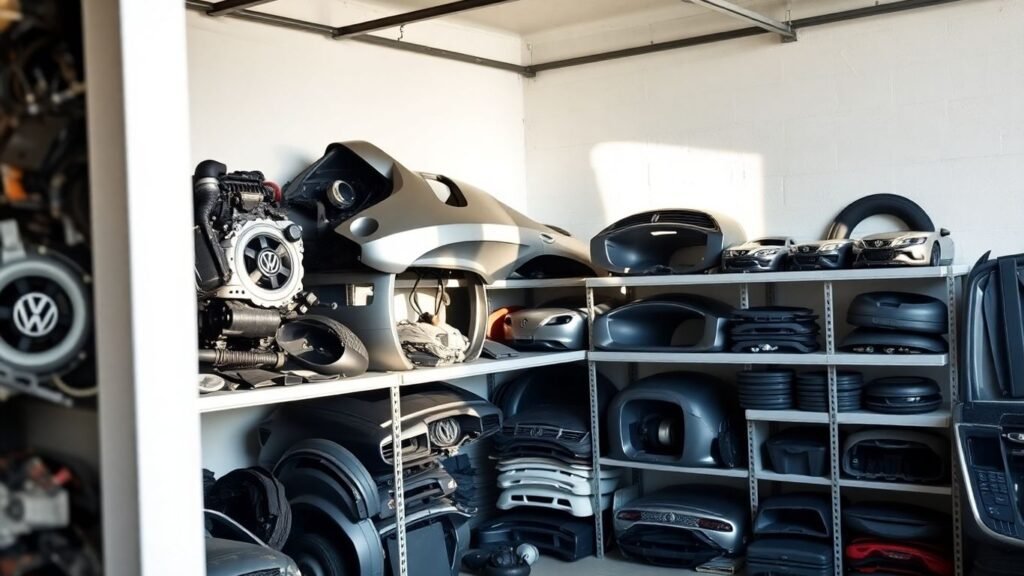
Volkswagen Amarok used parts collection
Blog

Finding Quality Volkswagen Amarok Second Hand Parts: A Buyer’s Guide

So, you’re looking to pick up some used parts for your Volkswagen Amarok? Smart move. Buying second hand can save you a good chunk of change compared to new parts, but it’s not always a walk in the park. You’ve got to know what you’re looking for and where to find it. This guide is here to help you find quality Volkswagen Amarok second hand parts without too much hassle. We’ll cover what to check, where to look, and how to make sure you’re getting a decent deal. Key Takeaways When looking for Volkswagen Amarok second hand parts, knowing the specific model and year is important because different versions have different engines and features. Check the main areas like the engine, transmission, and suspension carefully. Look for signs of wear or damage before you buy. Specialist breakers and online sites are good places to find parts, but always compare prices and check the part’s condition. Common problems with Amaroks include EGR valve issues and water pump failures, so be aware of these when buying parts. Always try to get the Vehicle Identification Number (VIN) and part numbers to make sure the part you buy will fit your specific Amarok. Understanding Volkswagen Amarok Models When you’re on the hunt for used parts for a Volkswagen Amarok, knowing the different versions out there is pretty important. It’s not just about finding a part that looks right; it needs to be the correct part for the specific model and year you’re working on. Volkswagen didn’t just make one Amarok, you know. They’ve evolved over the years, and understanding these changes will save you a lot of headaches and wasted money. The Amarok first rolled off the production line back in 2011, and for a good while, its heart was a 2.0-litre, four-cylinder turbodiesel engine. This engine came in a couple of flavors. You’d find a version putting out around 120 horsepower with 340 Nm of torque, and a more potent bi-turbo version that bumped that up to 163 horsepower and 400 Nm of torque. Most of these early models were paired with a six-speed manual gearbox. Some of the higher-spec models, like the Highline, could be optioned with permanent four-wheel drive. Later on, an eight-speed automatic transmission became available for those permanent 4×4 versions. It’s worth noting that VW tweaked these engines over time, increasing power outputs and towing capacities, so even within the 2.0-litre range, there can be slight variations. The Introduction of the 3.0-Litre V6 A pretty big shift happened around 2015 when Volkswagen decided to swap out the 2.0-litre engine for a more powerful 3.0-litre V6 turbodiesel. This engine, borrowed from the Touareg, brought a significant boost in performance and torque. These V6 models were almost exclusively paired with the eight-speed automatic transmission. If you’re looking for parts for a V6 Amarok, make sure you’re not trying to fit a 2.0-litre part into it – they’re not interchangeable. The V6 models generally offer higher towing capacities and a more refined driving experience. Identifying Amarok Trim Levels Beyond the engine and transmission, Amaroks also came in different trim levels, which can affect the parts you need, especially for interior and exterior components. The base model was typically the ‘Startline’, followed by the ‘Trendline’, and then the more luxurious ‘Highline’. There were also special editions like the ‘Ultimate’ and ‘Atacama’ that might have unique styling or features. The Highline, for instance, often came with nicer seats, parking sensors, and different wheel options compared to the Startline. Knowing the trim level can be just as important as knowing the engine size when sourcing specific parts, particularly for things like body panels, interior trim pieces, or even suspension components that might vary. When looking for used parts, always try to get the exact model year and trim level of the vehicle the part came from. This detail can make all the difference in whether a part fits and functions correctly. Key Areas to Inspect for Volkswagen Amarok Second Hand Parts When you’re hunting for used parts for your Volkswagen Amarok, it’s smart to know where to focus your attention. Not all components are created equal, and some are more prone to wear and tear than others. Getting a handle on these key areas can save you a lot of hassle and money down the road. This is where a lot of the magic happens, and also where problems can really start. For the earlier 2.0-litre turbodiesel engines, keep an ear out for any unusual noises. Things like knocking or rattling could point to internal issues. The EGR valve and its cooler are known weak spots on many Amaroks, so if you can, check for any signs of leaks or corrosion around these parts. Overheating is another big one. If the previous owner pushed the vehicle hard or didn’t maintain the cooling system, you might find issues. Look for any dried coolant residue around hoses, the radiator, or the water pump. A failing water pump can lead to serious engine damage, so it’s worth checking if there’s any play in the pulley or any weeping from the pump itself. The engine’s oil condition is also a good indicator; milky or sludgy oil can mean coolant has found its way in. Transmission and Drivetrain Considerations Whether your Amarok has a manual or automatic gearbox, it’s worth giving it a good once-over. For manual transmissions, check the clutch operation. Does it engage smoothly? Are there any grinding noises when shifting gears? For automatics, especially the ZF eight-speed, listen for any harsh shifts or delays. Fluid leaks around the gearbox or differential are also a red flag. If the vehicle has permanent four-wheel drive with a Torsen differential, inspect the differential housing for any damage or leaks. The driveshafts and CV joints should also be checked for torn boots, which can let dirt in and ruin the joint. Suspension and Steering Components These parts are constantly working, especially if the Amarok has been used for heavy-duty work.

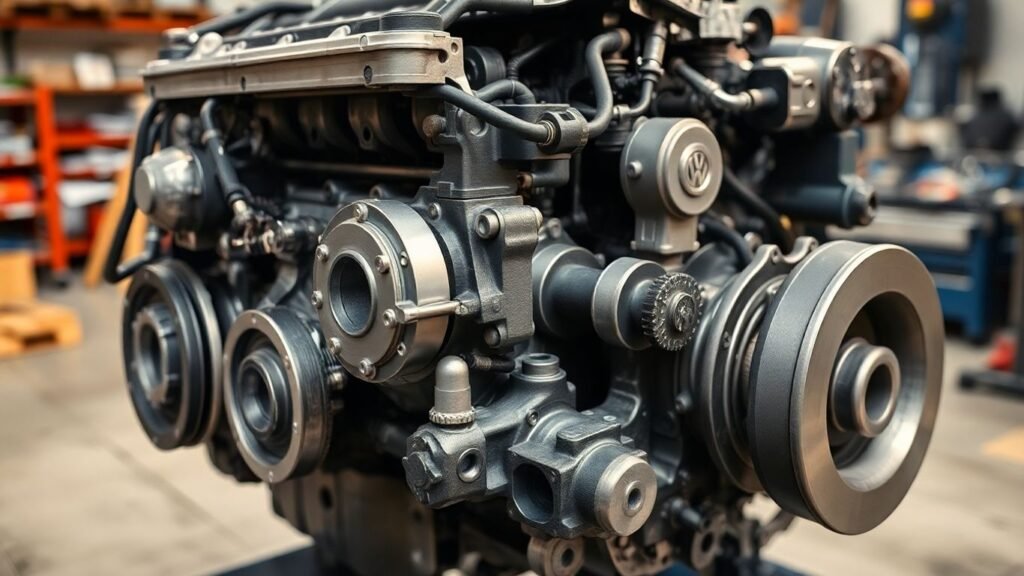
VW Polo engine and gearbox close-up
Blog

Troubleshooting VW Polo Engine and Gearbox Problems: A Comprehensive Guide

Having trouble with your VW Polo engine and gearbox? You’re not alone. These cars are pretty popular, but like any vehicle, they can develop their own set of quirks over time. Whether you’re hearing strange noises, feeling rough shifts, or seeing warning lights pop up, this guide is here to help you figure out what’s going on with your VW Polo engine and gearbox. We’ll break down some of the most common issues and what you can do about them, from simple checks to knowing when it’s time to call in the pros. Key Takeaways Common VW Polo engine issues include problems with the engine mount frame welds, concerns about timing chain operation, and oil consumption specifically in TSI engines. The DSG7 DQ200 gearbox can experience failures related to the mechatronic unit, clutch wear, and issues with shift forks and gear engagement. Diagnostic codes are available to help identify these problems. Warning signs for transmission trouble include unusual noises during operation, harsh gear shifts, hesitation, and burning smells coming from the transmission. Regular maintenance for your VW Polo’s transmission is vital, focusing on transmission fluid quality checks and routine fluid changes, alongside recognizing warning signs early. When repairing your VW Polo’s automatic transmission, having the right hand tools and specialized equipment is important, as is making informed choices between OEM and aftermarket parts. Common VW Polo Engine Issues When your VW Polo starts acting up, the engine is often the first place people look. There are a few common culprits that pop up with these cars, and knowing about them can save you some headaches. Engine Mount Frame Weld Defects Some Polo models, particularly the 6C GTI with the 1.8 TSI engine, have been known to have issues with the welds on the engine mount frame. This isn’t super common on newer used cars because if it was a problem, it was usually fixed by the previous owner. It’s hard to miss if the welds are bad. You might notice the engine moving around more than it should, or hear some clunking noises coming from the engine bay, especially when you’re driving hard or starting off. The fix usually involves cleaning up the area and re-welding the joint properly. Timing Chain Operation Concerns For TSI engines, especially the 1.2 and 1.4 versions, paying attention to the timing chain is important. When you start the engine cold, listen for any metallic sounds. If you hear rattling or grinding noises right at startup, it could mean the timing chain needs attention. This is something to check if you’re looking at a used Polo, as a worn timing chain can lead to bigger problems down the road if left unaddressed. Oil Consumption in TSI Engines This is a known issue for some TSI engines, particularly the 1.4 TSI. You might notice your Polo is using more oil than you’d expect, sometimes over a liter every thousand kilometers. Other signs include blue smoke coming from the exhaust, especially when you start the car or accelerate hard. This can be due to worn piston rings or excessive carbon buildup. If you’re dealing with high oil consumption, it’s a good idea to get it checked out. Ignoring it can lead to more serious engine damage, like cracked pistons, which is a much bigger and more expensive repair. It’s not the end of the world, but it’s definitely something to be aware of with these engines. Regular checks and addressing issues early can make a big difference in keeping your Polo running smoothly. Troubleshooting DSG7 DQ200 Gearbox Problems The DSG7 DQ200 transmission in VW Polos is a bit of a mixed bag. It’s known for its quick shifts, which can feel really sporty, but it also has a reputation for being a bit… temperamental. Many owners have run into issues, and they often come with a hefty repair bill. The main culprits tend to be the mechatronic unit and the clutches. Mechatronic Unit Failures The mechatronic unit is basically the brain and nervous system of the DSG. It’s a complex piece of kit that controls everything from gear selection to clutch engagement. When it starts acting up, you’ll know. You might notice sudden power loss, really harsh gear changes, or the car might refuse to go into certain gears at all. Sometimes, the engine can even stall at low speeds, which is pretty unnerving. You might also hear some odd mechanical noises or feel excessive vibration. And of course, those dreaded dashboard warning lights – the flashing PRNDS, the orange spanner, or the cog symbol – are usually a dead giveaway. It’s not uncommon for the transmission to go into ‘limp mode’ when this happens, severely limiting your car’s performance. The mechatronic unit is a sophisticated component that combines mechanical and electronic systems to control the DSG transmission. It manages gear selection, clutch engagement, and hydraulic systems to provide seamless shifting. Located within the transmission housing, it works in conjunction with the ECU to ensure efficient transmission operation. Clutch Wear and Performance Issues These DQ200 gearboxes use dry clutches, which are generally fine for highway driving, but city traffic can really wear them out. You’ll often feel this as juddering or shaking when you accelerate or when the gearbox is trying to shift gears, especially at lower speeds. It can feel like the car is hesitating or slipping. Sometimes, you might even lose drive completely, or the car might suddenly jump into neutral. If you’re experiencing rough shifts, particularly in the odd-numbered gears (1st, 3rd, 5th, 7th), it’s a strong sign that the clutch packs are on their way out. Shift Fork and Gear Engagement Faults Problems with the shift forks or how the gears engage can lead to some pretty annoying symptoms. You might notice that the transmission struggles to select a gear, or it might feel like it’s grinding when it tries to shift. Sometimes, the car just won’t go into the gear you want, or it might even slip out of gear while

Used Volkswagen Tiguan parts for sale in Australia.
Blog

Find Quality Used Volkswagen Tiguan Parts in Australia

So, you’re looking for parts for your Volkswagen Tiguan, but don’t want to break the bank or add to landfill waste? That’s smart. Finding quality used Volkswagen Tiguan parts in Australia is totally doable. It’s not as complicated as it might seem at first. We’ll walk you through how to find what you need, make sure it’s good quality, and even save some cash and help the planet in the process. Let’s get your Tiguan back in top shape without the hefty price tag. Key Takeaways Buying used Volkswagen Tiguan parts in Australia is a great way to save money and be environmentally friendly. Reputable car wreckers are your best bet for finding quality used Tiguan components. Always check the condition and history of used parts, and look for warranties for peace of mind. You can find a wide range of used parts, from engines and transmissions to body panels and interior bits. Online tools and expert advice from wreckers can make finding the right Volkswagen Tiguan used parts Australia much easier. Finding Quality Used Volkswagen Tiguan Parts When your Volkswagen Tiguan needs a new part, you’ve got a few roads you can take. Going for brand new is an option, sure, but it often comes with a hefty price tag. That’s where looking into used parts really starts to make sense. Choosing used components for your Tiguan can save you a significant amount of money and is also a great way to be a bit kinder to the planet. It’s not always obvious where to find these parts, though, and you want to make sure what you get is actually going to work well. Benefits of Choosing Used Volkswagen Tiguan Spares Opting for used parts for your Tiguan isn’t just about cutting costs, though that’s a big plus. Think about it – every part that’s still functional but removed from another vehicle is one less piece heading to a landfill. This auto recycling process helps reduce waste and keeps potentially harmful fluids from leaking into the environment. Plus, you’re often getting genuine Original Equipment Manufacturer (OEM) parts that were made specifically for your car, which can be better than some aftermarket alternatives. Why Reputable Wreckers Are Your Best Option Car wreckers, or auto recyclers, are really your go-to for quality used parts. These businesses specialize in taking apart vehicles, testing the usable components, and making them available for resale. Unlike a random seller, a good wrecker will have a system for checking parts and often provide some sort of guarantee. They’re like a treasure trove for car owners looking for specific pieces without breaking the bank. Finding a reliable wrecker means you can often get expert advice. They know their way around different car models and can help you figure out exactly what you need, saving you time and hassle. Understanding OEM vs. Aftermarket Parts When you’re looking for parts, you’ll hear about OEM and aftermarket. OEM parts are made by the original manufacturer (like Volkswagen) or a company they’ve contracted with. They’re designed to fit and perform exactly like the original part. Aftermarket parts are made by other companies. While some aftermarket parts are excellent, their quality can vary a lot. Sometimes they’re cheaper, but they might not last as long or fit as perfectly as an OEM part. For a Tiguan, sticking with used OEM parts from a reputable source is usually a smart move. Navigating The Australian Market For Tiguan Components Finding the right used Volkswagen Tiguan parts in Australia can feel like a treasure hunt, but it doesn’t have to be a wild goose chase. The Australian market has a solid network of places that can help you get your Tiguan back in shape without emptying your wallet. Your best bet is often to connect with specialized car wreckers who know their Volkswagens. Where To Source Volkswagen Tiguan Used Parts Australia When you’re on the hunt for used Tiguan parts down under, you’ve got a few avenues. Online marketplaces are a big one, listing parts from various sellers. Then there are dedicated auto recyclers, often called wreckers, who specialize in certain makes or models. These wreckers are usually the most reliable source because they have the parts on hand and often have staff who know the ins and outs of Volkswagens. Some wreckers even have nationwide networks, meaning they can source parts from different locations if your local one doesn’t have what you need. The Role Of Car Wreckers In Part Availability Car wreckers are pretty much the backbone of the used parts industry for vehicles like the Tiguan. They take in vehicles that are no longer roadworthy, carefully dismantle them, and salvage usable parts. This means they’re a goldmine for everything from engines and transmissions to smaller bits like door handles and light fixtures. Because they deal with so many vehicles, their inventory is usually quite extensive. It’s a much more efficient way to find specific components than trying to track them down individually. Online Inventory And Search Tools Most reputable wreckers today have moved online. They often maintain searchable databases of their inventory. You can usually go to their website, type in the part you need for your Volkswagen Tiguan, and see if they have it. Some even have advanced search tools that let you filter by year, model, or specific part number. If you can’t find what you’re looking for, many will let you submit a request, and they’ll contact you when the part becomes available. It makes the whole process way less time-consuming. Buying used parts from a good wrecker is often less stressful than you might think. You can usually find a wide range of items all in one place, saving you the hassle of driving all over town. Plus, you can ask the experts there about the part’s history before you buy. Here’s a quick look at what you might find: Part Category Engine & Transmission Body & Exterior Interior & Accessories Electrical Components Suspension & Steering Ensuring

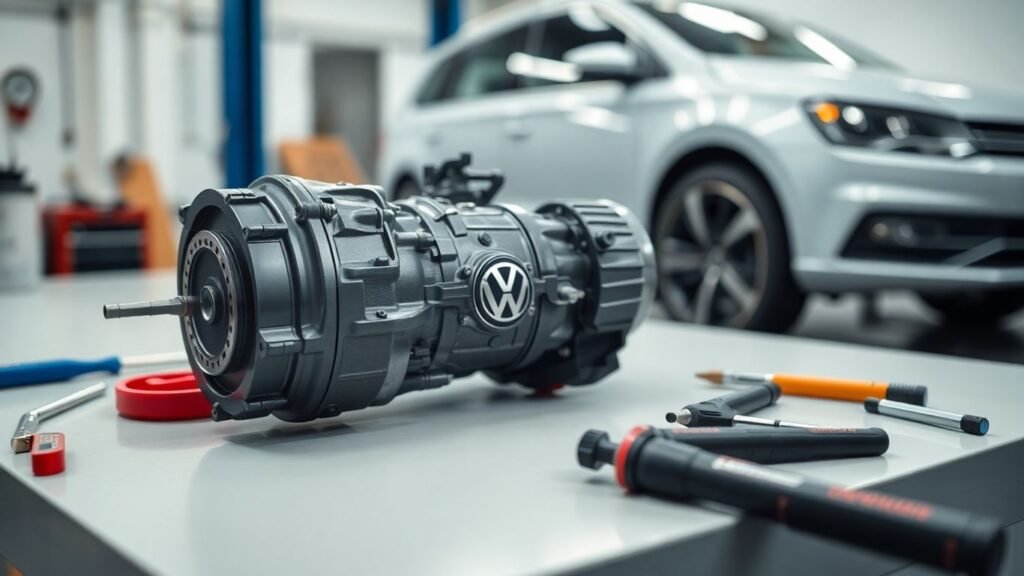
Volkswagen Passat transmission on workshop table with tools
Blog

Find the Best Deals on Volkswagen Passat Transmission for Sale: New, Used & Rebuilt Options

Shopping for a Volkswagen Passat transmission for sale can feel overwhelming. There are so many choices—new, used, rebuilt—and prices are all over the place. Whether your old transmission is slipping or you’re just looking to upgrade, it’s important to know what you’re getting into. I’ve spent hours browsing listings, talking to parts shops, and learning what to look for. Here’s what I found out about finding the best deal on a Passat transmission, no matter your budget or skill level. Key Takeaways Check if the transmission matches your Passat’s year, engine, and transmission code before buying. New transmissions cost more but usually come with better warranties and fewer risks. Used transmissions are cheaper, but always ask about mileage and if it’s been tested or inspected. Rebuilt transmissions can be a good middle ground, offering updates and a warranty at a lower price than new. Always read the warranty and return policy details, and inspect the transmission on delivery for any damage. How to Choose the Right Volkswagen Passat Transmission for Sale Understanding Transmission Types When you’re in the market for a transmission, the first thing to get straight is whether you need an automatic or manual. Some Passats offer both, while a few years and trims come only with one or the other. The transmission code, which is usually printed on the old unit’s ID tag, also helps you figure out exactly what type you need. Mismatching types or codes often leads to unexpected headaches when it comes time to install. Think of it this way: picking the wrong transmission can snowball into extra costs, downtime, and a serious hassle. Always double check the type and code before you buy. Compatibility with Your Passat Model Your car’s year, engine size, and sometimes even whether you’ve got a wagon or sedan factor into what transmission fits. Many sellers list compatibility tables, which look a bit like this: Passat Year Engine Transmission Code Fitment Notes 2016-2018 1.8L PDW Automatic only 2012-2015 2.0L NSA Check VIN for sub-model 2008-2011 2.0T JEM Sedan and wagon compatible One model year can have a few transmission variations, so you don’t want to leave this to chance. Use your VIN and ask the seller to confirm the fit if you’re unsure. Assessing Warranty and Return Policies Once you’ve found a possible match, check if there’s a warranty—especially for used or rebuilt units. Some used transmissions come with just 90 days, where rebuilt ones can have up to a year or even more. Return policies are worth looking at too. Sometimes there’s a restocking fee, or maybe you can only return it if there’s a clear defect. Reading the fine print saves trouble later. Knowing up front how the seller handles returns and warranty claims often means less stress if something goes sideways. Comparing New, Used, and Rebuilt Volkswagen Passat Transmissions It’s easy to get stuck when you’re shopping for a transmission, faced with the decision of new, used, or rebuilt. Each option really has its own set of pros and cons, and the choice depends on your budget, risk tolerance, and how attached you are to your current Passat. Benefits of a New Transmission New transmissions are straight from the factory, totally unused, and built for your exact model. You’re getting the longest possible lifespan, the full manufacturer’s warranty, and peace of mind that there’s no hidden history. The main drawback is price—new units regularly cost two to three times more than other options, and for older Passats, can even exceed the car’s current value. You’ll rarely have to worry about compatibility, and most dealership parts departments handle returns pretty easily, just in case something isn’t right. Transmission Type Typical Price Range (USD) Warranty Expected Lifespan New $2,000 – $4,000+ 1-3 Years, 36K+ mi 100,000+ miles If you plan on keeping your Passat for a long time and don’t want surprises, going new just makes life simpler. Advantages of Used Transmissions Used transmissions come pulled from cars in salvage yards or parts specialists, and most undergo a basic inspection and sometimes even a test run. Costs are a lot lower—usually less than half of new, and sometimes even less than that if you’re lucky. The gamble is that you’re buying a component that’s already lived some life, and short warranties are the norm. There’s more legwork, too; checking compatibility, warranty terms, and even arranging freight shipping. Generally, you’ll find quick turnaround and plenty of availability, especially for Passat models made in the last 15 years. Transmission Type Typical Price Range (USD) Warranty Expected Lifespan Used $800 – $1,900 30-90 Days Varies by mileage Used units are perfect if you just need to get back on the road fast and aren’t too fussy about maximum reliability. Why Consider Rebuilt Options Rebuilt transmissions are kind of the middle ground. A professional shop takes a used transmission, strips it down, replaces worn-out parts, and often provides stronger quality control than huge salvage yard operations. Pricing for rebuilt Passat transmissions falls somewhere between used and new, but warranties are generally better than straight-up used units. There’s an added bonus: many rebuilt options come with updated or improved internal parts that correct issues known to crop up in specific Passat models. The trick is picking a rebuilder with a solid reputation. Transmission Type Typical Price Range (USD) Warranty Expected Lifespan Rebuilt $1,200 – $2,500 1-2 Years/Unlimited 60,000+ miles (typical) A quality rebuild is smart if you want to save money but don’t want the mystery history of a junkyard find. Just don’t rush—some shops rebuild better than others, and it’s worth calling for details before you hand over your cash. Where to Find Reliable Volkswagen Passat Transmissions for Sale Specialty Volkswagen and Audi Parts Dealers When it comes to tracking down a dependable transmission for your Passat, your first stop should be a dedicated Volkswagen and Audi parts shop. These places really know their stuff—most of the staff either drive or repair German cars themselves, so you get advice that’s actually

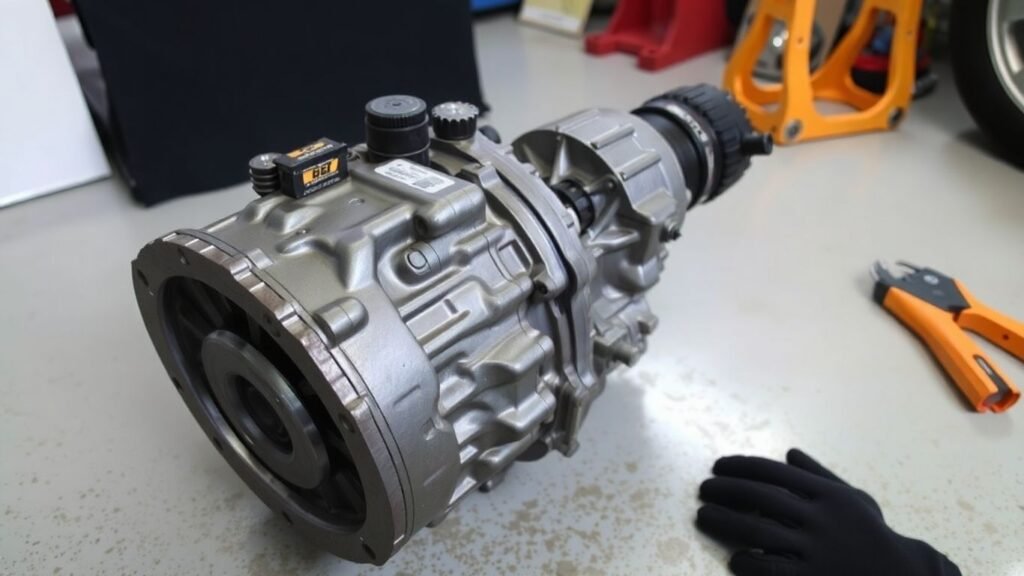
Used VW Golf gearbox with mechanic gloves and tools
Blog

What to Look for When Buying a VW Golf Gearbox Second Hand: Tips for a Smart Purchase

Looking for a VW Golf gearbox second hand? It can feel a bit overwhelming, especially if you haven’t shopped for car parts before. There’s a lot to think about—compatibility, condition, where to buy, and all the little costs that pop up along the way. Whether you’re trying to save money or just keep your car running a bit longer, getting the right gearbox is important. Here’s what you should keep in mind so you don’t end up with a headache (or a broken car) down the road. Key Takeaways Always double-check the gearbox code and use your VIN to make sure the part fits your VW Golf. Compare used and refurbished options—used is cheaper, but refurbished usually comes with some kind of guarantee. Look at the mileage and history of the donor car; lower mileage and clear history are better bets. Stick to reputable sellers who offer some kind of warranty or return policy, even if the price is a bit higher. Factor in extra costs like installation, new fluids, and possible missing parts before you buy. Understanding VW Golf Gearbox Second Hand Options Differences Between Used and Refurbished Gearboxes When you’re looking at second-hand gearboxes for a VW Golf, you’re basically picking between used and refurbished. A used gearbox is a straight pull from another car, sold as is, while a refurbished one has had parts replaced or serviced to bring it closer to new condition. Used gearboxes usually cost less and might come from a car that got totaled for reasons unrelated to the transmission. Refurbished gearboxes cost more, but you’re often getting fresh seals, cleaned internals, and maybe even a short warranty. The peace of mind in knowing someone’s checked it over might be worth it, but it’s not a magic cure—issues can still pop up with both options. Gearbox Type Average Cost Typical Warranty Level of Inspection Used Low 0–30 days Minimal Refurbished Medium/High 3–12 months Extensive For older Golf models where you just need something to keep you on the road, a low-mileage used gearbox might do the job. If you plan to hang onto the car for years, that extra bit of confidence from a refurbished unit starts to make sense. Pros and Cons of Buying Second Hand Going second hand saves money, but there’s always a bit of a gamble. Used gearboxes offer big cost savings, especially compared to anything brand new from the dealer, and you’ll likely find more choices. Refurbished gearboxes give a middle ground: more expensive than used, but often with some kind of check, test, or updates already done. On the flip side, second hand means you can end up with unknown wear and hidden damage. Even refurbishing isn’t a guarantee—the quality of the work really matters. Finding a trustworthy seller is key, since the risk of getting a dud goes up with strangers or cut corners. When to Consider a Second-Hand Gearbox If the rest of your Golf is in decent shape and you want the most affordable fix, a good used gearbox is worth a look. It’s especially practical if your car is older or already has high mileage. Refurbished might be the route to go if you need added reliability or want a little more assurance that problems were spotted and sorted. Picking a second-hand gearbox isn’t just about the lowest price—it’s about balancing cost, what’s included, and how much risk you’re comfortable with. Sometimes, saving a grand upfront now means more hassle later, but sometimes it’s the smartest way to bring your Golf back on the road quickly. Checking Compatibility for Your VW Golf Gearbox Second Hand Using VIN and Gearbox Codes for Accurate Match The only way to be certain a gearbox will work in your Golf is by matching the VIN and gearbox code exactly. These codes are stamped on the unit or found in your owner’s manual. If you skip this step, you risk ordering something that looks right but has different internal ratios or mounting points. Dealerships and most online sellers can help cross-reference these codes, but always double-check before committing to buy. If you’re buying a gearbox online, copy the gearbox code directly from your own car, then verify it matches what’s being sold – a small mix-up can cost you a lot of time and money. Importance of Engine and Model Matching Gearboxes might fit across different years, but they’re rarely universal. The Golf’s gearbox is tied closely to engine type (petrol, diesel, hybrid), size, power, and sometimes even trim level. A transmission from a 2.0 TDI won’t work well, if at all, on a 1.4 TSI. Even if you can physically bolt the gearbox on, gear ratios and software can be wrong, leading to bad performance and possible damage. Matching by generation (e.g., MK6, MK7), engine code, and model year is key. Requirement Why It Matters Exact Engine Size/Type Gear ratios/tolerance designed for specific torque outputs Model Generation (MK) Design, electronics, and electronics may differ per version Drive Type (FWD/AWD) Mounting and output setup changes between versions Common Compatibility Mistakes to Avoid Mixing up gearbox codes or assuming close-enough fits gets buyers into trouble. Swapping a gearbox from a different Golf model, or even another VW, usually doesn’t work unless every spec matches. Ignoring small details like starter motor position or electronic connection types can turn a simple job into a headache. Another common slip is not considering the drive type—trying to mount an all-wheel-drive gearbox into a front-wheel-drive car won’t work without major changes. Double-checking every code, plug, and measurement might seem tedious, but catching mistakes before purchase saves money and frustration down the road. Evaluating Condition and Mileage of a Used Gearbox Assessing Mileage and Donor Car History When you’re looking at used gearboxes, one of the first things to check is how many miles were on the car it came out of. A gearbox pulled from a car with lower mileage is almost always a safer bet than one that’s been through years of

Volkswagen differentials for sale
Blog

Find Your Perfect Volkswagen Diff for Sale: A Buyer’s Guide

So, you’re looking for a Volkswagen diff for sale? It can feel like a big task, especially with all the different models and years out there. Whether you’re trying to fix up an older Golf or boost the performance of your GTI, knowing what to look for is key. This guide breaks down what you need to consider, where to find parts, and what to watch out for, so you can get your VW back on the road or even better than before. Let’s get started. Key Takeaways When hunting for a Volkswagen diff for sale, know your specific VW model and its transmission type (manual vs. automatic) as this greatly affects compatibility. Inspect used differentials carefully for signs of wear like grinding noises, fluid leaks, or damaged gear teeth, and understand how gear ratios influence your car’s performance. Explore various sources for a Volkswagen diff for sale, including specialized parts shops, online marketplaces, VW forums, and independent European auto repair shops. Different VW models, like the GTI, Golf R, Touareg, and older Golf/Jettas, have unique differential options and variations that you need to be aware of. Proper installation and regular maintenance, such as checking fluid levels and listening for unusual sounds, are vital for the longevity of your Volkswagen differential. Understanding Volkswagen Diff Types So, you’re looking to get a new differential for your VW, huh? It’s not as simple as just grabbing any old part off the shelf. Volkswagen has used a bunch of different setups over the years, and what works for your buddy’s Golf might not be right for your Touareg. Let’s break down what you need to know. Identifying Your Volkswagen Model This is step one, folks. You gotta know exactly what car you’re working with. Is it a sporty GTI, a rugged Tiguan, or maybe an older Jetta? The model, the year, and even the specific trim level can all affect the type of differential your car uses. For example, a 2019 Golf R is going to have a very different setup than a 2015 Golf TSI. Don’t guess here; check your VIN, your owner’s manual, or even pop the hood and look for labels. Getting this wrong means the diff won’t fit, and you’ll be back to square one. Manual vs. Automatic Transmission Differences This is a big one. Your transmission type plays a huge role in the differential you’ll need. Manual transmissions often use a more straightforward differential, while automatic transmissions, especially Volkswagen’s DSG (Direct Shift Gearbox), can have more complex integrated units. The DSG, for instance, is a dual-clutch automatic that shifts incredibly fast, and its design is tightly linked to the rest of the drivetrain, including the differential. You can’t just swap a manual diff into an automatic car, or vice-versa, without some serious modifications, if it’s even possible. The Role of the Differential in Performance Think of the differential as the unsung hero of your car’s handling. Its main job is to allow your wheels to spin at different speeds, which is super important when you’re turning. Without it, your inside wheel would have to drag while your outside wheel spins freely, making turns jerky and putting a lot of stress on the drivetrain. But it’s more than just letting you corner. The type of differential can also affect how your car accelerates, how it handles slippery conditions, and even how it feels when you’re just cruising. Some performance-oriented VWs, like the Golf R, might come with advanced differentials that can actively manage power distribution between the wheels for better traction and agility. So, yeah, it’s a pretty big deal for how your car drives. The differential is a set of gears that splits the engine’s torque between the drive wheels. It’s designed to let the wheels on each side of the axle rotate at different speeds, which is necessary for smooth turning. If the wheels were locked together, one would have to slip or skid when the car turned. Key Considerations When Buying a Volkswagen Diff for Sale So, you’re on the hunt for a new differential for your VW. It’s not just about finding one that fits; there are a few things to really think about before you hand over your cash. Getting the right diff can make a big difference in how your car drives, especially if you’re looking for better performance or just a solid replacement. When you’re looking at used diffs, the first thing is to check its condition. Don’t just take the seller’s word for it. Look for any obvious signs of damage, like cracks or bent parts. If you can, try to get a peek inside or ask for detailed photos. Sometimes, a little bit of surface rust is okay, but anything that looks deep or structural is a red flag. You’ll want to know if it’s been leaking oil, too, as that can point to worn seals or gaskets. Gear ratios are another big deal. Think of them like the gears in your bike – a different ratio changes how much power goes to the wheels and how quickly you can get there. A lower ratio (like 3.55) means more acceleration but a lower top speed. A higher ratio (like 4.10) gives you better acceleration but might make your engine work harder on the highway. It really depends on what you want your car to do. If you’re mostly driving in the city, a lower ratio might be nice. If you do a lot of highway driving, a higher ratio could be more fuel-efficient. It’s easy to get caught up in the excitement of finding a part, but taking a moment to assess its history and condition can save you a lot of headaches down the road. A little bit of research now can prevent costly repairs later. Listen for any weird noises when you’re checking out a used diff, especially if you can get it on a lift or hear it run. Grinding, whining, or clunking sounds are usually

Volkswagen transmission with visible gears and components.
Blog

Find Expert Volkswagen Transmission Specialists in San Jose for Optimal Performance

So, your Volkswagen is making a funny noise, or maybe it’s just not running like it used to. It happens. Cars, even the well-built ones like Volkswagens, need a little TLC now and then. When it comes to something as important as the transmission, you don’t want just anyone tinkering with it. You need folks who really know their stuff, especially when it comes to German engineering. That’s where finding the right Volkswagen transmission specialists comes in handy, particularly if you’re in the San Jose area. Key Takeaways Listen for odd sounds, feel for weird vibrations, and notice if your gas mileage drops – these can all point to transmission trouble. Look for repair shops that specifically mention working on European cars, especially Volkswagens, to get the best service. Good shops will offer a range of services, from fixing what’s broken to making your transmission work even better. San Jose has a good number of places that know their way around European car parts and repairs. Keeping up with regular checks and using skilled mechanics helps your Volkswagen transmission last longer and perform better. Signs Your Volkswagen Transmission Needs Expert Attention Your Volkswagen is a finely tuned machine, and sometimes, it sends out signals that something isn’t quite right, especially with the transmission. Ignoring these signs can lead to bigger, more expensive problems down the road. So, what should you be listening and feeling for? Unusual Noises Indicating Transmission Issues Pay close attention to any new sounds coming from your car. A grinding noise when you shift gears, or a whining sound that changes with your speed, could point to internal transmission wear or low fluid levels. Sometimes, you might hear a clunking sound when you put the car into gear. These aren’t just random noises; they’re often the transmission’s way of telling you it needs a check-up. Vibrations and Shifting Problems Feel any strange shudders or vibrations that weren’t there before? If you notice vibrations that seem to come from the drivetrain, especially when accelerating or changing gears, it’s worth investigating. Difficulty shifting gears, whether it feels stiff, hesitant, or like the gear isn’t engaging properly, is another clear indicator. Sometimes, the transmission might slip out of gear unexpectedly, which is a serious sign that needs immediate attention. Reduced Fuel Efficiency Linked to Transmission It might not seem obvious at first, but your transmission plays a role in how much gas you use. If you’ve noticed a sudden drop in your miles per gallon, and you haven’t changed your driving habits or had any other obvious issues like tire pressure problems, the transmission could be the culprit. A transmission that isn’t working efficiently has to work harder, which burns more fuel. It’s like trying to push a heavy box uphill – it takes more effort and energy. Sometimes, the simplest things can be the most telling. A transmission is a complex system, and when one part isn’t functioning as it should, it can affect the whole operation. Don’t wait until a small issue becomes a major breakdown. Getting it looked at by someone who knows Volkswagens can save you a lot of headaches and money. Symptom Potential Cause Grinding or whining noises Low fluid, internal wear, or gear issues Difficulty shifting gears Clutch issues, linkage problems, or low fluid Unexpected gear slippage Serious internal transmission damage Increased fuel consumption Inefficient transmission operation Finding Premier Volkswagen Transmission Specialists in San Jose When your Volkswagen’s transmission starts acting up, it’s not something you want to mess around with. These cars are built with some pretty sophisticated engineering, especially when it comes to their transmissions. Trying to get just any mechanic to fix it can sometimes lead to more problems down the road. You really need someone who knows Volkswagens inside and out. Importance of Specialized Knowledge for VW Transmissions Volkswagens, like many European cars, have unique transmission designs. They’re not always the same as what you’d find in a domestic or other import vehicle. A specialist understands the specific nuances of VW gearboxes, whether it’s a DSG, Tiptronic, or a more traditional automatic. This specialized knowledge means they can pinpoint issues faster and use the right parts and procedures, which can save you time and money in the long run. Getting it right the first time is always the goal. Locating Certified Volkswagen Transmission Experts So, how do you find these transmission wizards in San Jose? Look for shops that advertise themselves as Volkswagen specialists or European auto repair centers. Certifications from organizations like ASE (Automotive Service Excellence) are a good sign, but also check if they specifically mention extensive experience with Volkswagen transmissions. Online reviews can be helpful, but always read them critically. See if people mention transmission work specifically and if the results were positive. Experience with European Vehicle Transmissions Beyond just Volkswagens, a shop that has a solid track record with other European makes like Audi, BMW, or Mercedes-Benz often has a broader understanding of complex transmission systems. These cars share some similar engineering philosophies. If a shop can handle the intricacies of a high-performance Audi transmission, they’re likely well-equipped for your VW. It’s about finding that deep well of experience. Finding the right transmission specialist is like finding a good doctor for your car. You want someone who knows the specific anatomy and can diagnose problems accurately, rather than just treating symptoms. This careful selection process is key to keeping your Volkswagen running smoothly for years to come. Here’s a quick look at what you might expect from a good transmission shop: Service Type Common Issues Addressed Diagnosis Slipping gears, rough shifts, warning lights, noises Repair Replacing worn parts, fixing leaks, clutch adjustments Rebuild/Overhaul Complete transmission disassembly and reassembly Fluid Service Flushing and replacing transmission fluid and filter Performance Upgrades Strengthening components for towing or spirited driving Comprehensive Transmission Services for Your Volkswagen When your Volkswagen’s transmission starts acting up, it’s more than just an annoyance; it can really impact how your car drives and even

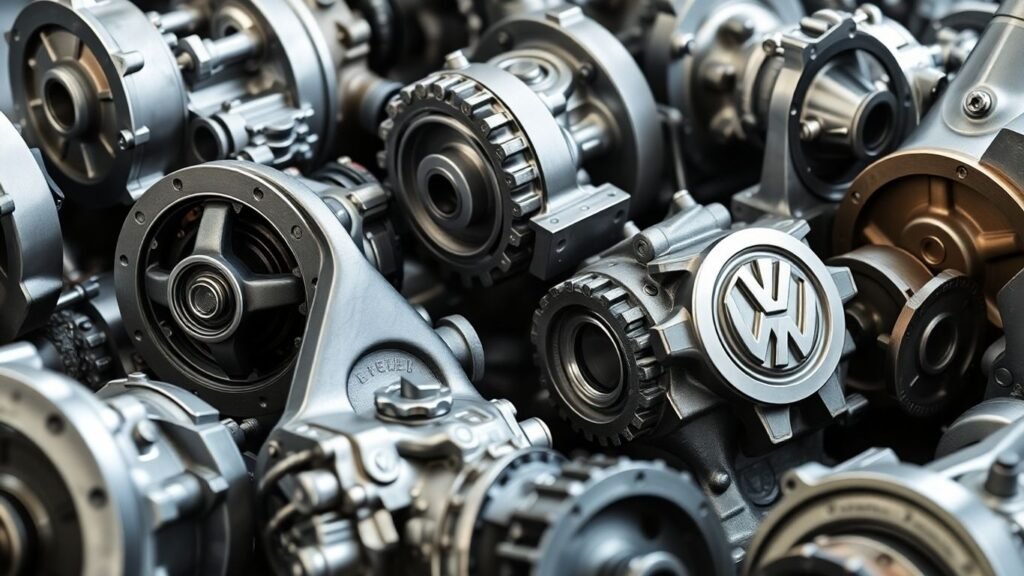
Various Volkswagen gearboxes for sale.
Blog

Find Your Perfect VW Gearbox for Sale: A Buyer’s Guide

So, you’re on the hunt for a VW gearbox for sale? It can feel like a big task, especially with all the different options out there. Whether you’re looking at a classic manual, a smooth automatic, or the fancy DSG, knowing what to check can save you a lot of headaches down the road. This guide is here to help you figure out the important stuff, so you can drive away happy. Key Takeaways When looking for a VW gearbox for sale, pay close attention to fluid levels and their condition. The right color and level are important indicators. Don’t skip the test drive. Listen for strange noises during acceleration and shifting, and feel how the car handles bumps and turns. Check the car’s battery and verify you get all the keys. Replacing VW keys can be surprisingly expensive. For MKIV models, specifically check the water pump, vacuum lines, and sunroof drains, as these are common problem areas. When talking to sellers, take notes on any issues you find. This helps with your research and can open up negotiation possibilities. Understanding Your VW Gearbox Options When you’re looking for a Volkswagen gearbox, you’ll run into a few main types. Knowing the differences helps you pick the right one for your driving style and what you plan to do with the car. It’s not just about getting from point A to point B; it’s about how you get there. Manual Transmission Checks If you’re leaning towards a manual, you’re probably someone who likes to feel connected to the car. When you test drive, pay close attention to how the shifter feels. Does it slide into each gear smoothly, or do you have to force it? Listen for any grinding noises when you shift, especially between gears or when you’re downshifting. Also, check the clutch. Does it feel grabby, or does it slip when you give it some gas? A clutch that’s going bad can be a big expense, so you want to make sure it feels solid. You’ll want to feel for any hesitation or weird noises when you’re accelerating. A good manual gearbox should feel precise and responsive. Automatic Transmission Considerations Automatic transmissions in Volkswagens have come a long way. Older automatics can sometimes be a bit rough, especially as they get older and rack up miles. When you’re test driving, notice how the transmission shifts between gears. Does it do it smoothly, or are there noticeable jolts or delays? Pay attention to the RPMs – a smooth automatic will keep them in a reasonable range. If you hear clunking or feel harsh shifts, it might mean the transmission is on its way out or needs some serious attention. These can be costly to fix, so be aware. Some automatic transmissions, especially in older models, can be a weak point. If you’re looking at a car with an automatic, especially one with over 100,000 miles, be extra diligent. Listen for any unusual noises during shifts or when the car is idling. DSG and Tiptronic Transmission Nuances DSG (Direct-Shift Gearbox) and Tiptronic transmissions are VW’s take on a more advanced automatic. DSG is essentially a dual-clutch system that can shift incredibly fast, almost like a manual but without the clutch pedal. Tiptronic gives you the option to manually select gears, usually by nudging the shifter or using paddles. When testing a DSG, it should shift very quickly and smoothly, almost imperceptibly. If you feel hesitation, clunks, or rough shifts, that’s a red flag. For Tiptronic, make sure the manual mode works as expected – shifts should be quick and responsive when you command them. These transmissions are complex, so any signs of trouble during a test drive should be taken seriously. Pre-Purchase Inspection Essentials So, you’ve found a VW that looks promising. Before you get too excited and hand over your cash, there are some things you really need to check. Think of this as your checklist to avoid bringing home a money pit. It’s not about being a mechanic, just being smart about what you’re buying. Fluid Levels and Condition First off, let’s talk fluids. Pop the hood and find the coolant reservoir. VWs usually use a specific pink coolant, often labeled G12, G12+, or G13. If you see green stuff in there, or gunk floating around, that’s a red flag. Ask when it was last changed. Next, check the oil. Is it low? Does it look like tar, or maybe a weird milky color? Knowing what kind of oil was used and how often it was changed tells you a lot about how the car was cared for. Don’t forget the brake fluid in the master cylinder – low levels here can mean trouble. And check the power steering fluid too; you don’t want that running dry. Battery and Key Verification Take a look at the battery. Is it the right size for the car? Sometimes people put in incorrect batteries. Then, ask about the keys. VW keys, especially the flip-out kind, can be pricey to replace. See how many they have. Also, check the gas cap – is it the original, and does it seal properly? If there’s a roof rack, make sure the seller has the key for that too. Exterior and Accessory Checks Walk around the car. Look closely at the wheels for any curb rash; it shows how the previous owner treated the car. Check the lug nuts. If there’s a roof rack, make sure it’s secure and you have the key for it. Inside, peek at the fuse box. Are any fuses missing or blown? It might be helpful to have a diagram of the fuse box to know what’s what. Also, ask for any service records or receipts. These can give you a clear picture of the car’s history and what parts were used. Getting a seller to agree to a cold start inspection is a good move. It lets you hear the engine from a standstill and see how it behaves

Scroll to Top