

Key Takeaways
Finding the right part starts with accurate vehicle details and careful fitment checks. Before ordering, compare the part number, price, warranty, delivery terms, and return conditions.
- Record your Skoda’s model, year, variant, and VIN before contacting a supplier.
- Check the old component’s part number and ask what is included with the replacement.
- Confirm compatibility with the supplier, especially for modified or imported vehicles.
- Compare like-for-like prices and read the warranty terms, including exclusions.
- Check delivery, returns, and installation requirements before you place the order.
Identify the exact part your Skoda needs
A part that looks right may still differ in a small but important way. Before searching or requesting a quote, gather the details that distinguish your vehicle from others in the same model range. A little preparation can make the search more accurate and reduce the chance of ordering an unsuitable component.
Find your model, year, and variant
Start with the model name, build year, and variant shown in your vehicle documents. If you have them, note the body style and trim as well; these details can help distinguish versions that share a name but use different components. When you contact a supplier, give the information together rather than relying on the model name alone.
Use the VIN to confirm vehicle details
The vehicle identification number can help a supplier identify the specific vehicle configuration. You can usually find it on registration documents and on the vehicle itself, but check your owner’s manual if you are unsure where to look. Share it through the supplier’s normal enquiry process, and avoid posting it publicly.
Check the part number on the old component
If the original component is accessible, look for its part number before ordering. Labels may be faded or positioned out of view, so take a clear photo and record any letters, digits, and suffixes you can read. The following details are useful to collect together when you request a match:
| Detail to record | What to check | Why it helps |
|---|---|---|
| Part number | Every visible letter and digit | Helps compare the old and proposed component |
| Vehicle details | Model, year, and variant | Narrows down possible applications |
| Component condition | Whether the number is clear or damaged | Tells the supplier if further identification may be needed |
Use the number as a reference rather than treating it as proof of fitment by itself. If it is incomplete or unclear, send the photo and vehicle details so the supplier can help check it.
Note any differences between engine or trim options
Versions of the same model can have different engines, equipment, or trim specifications, and a component may vary accordingly. Note the engine description from your documents or service records if you have it, along with any relevant features such as transmission type. This information is particularly useful when the part is not easily identified by appearance alone.
Understand what “genuine” means
The word “genuine” is useful only when you know what the seller means by it. Ask whether the component is supplied as a genuine Skoda part, an aftermarket alternative, or a used part, and request details that support the description. Clarifying these points helps you compare options without assuming that similar-looking parts are the same.
Distinguish genuine parts from aftermarket alternatives
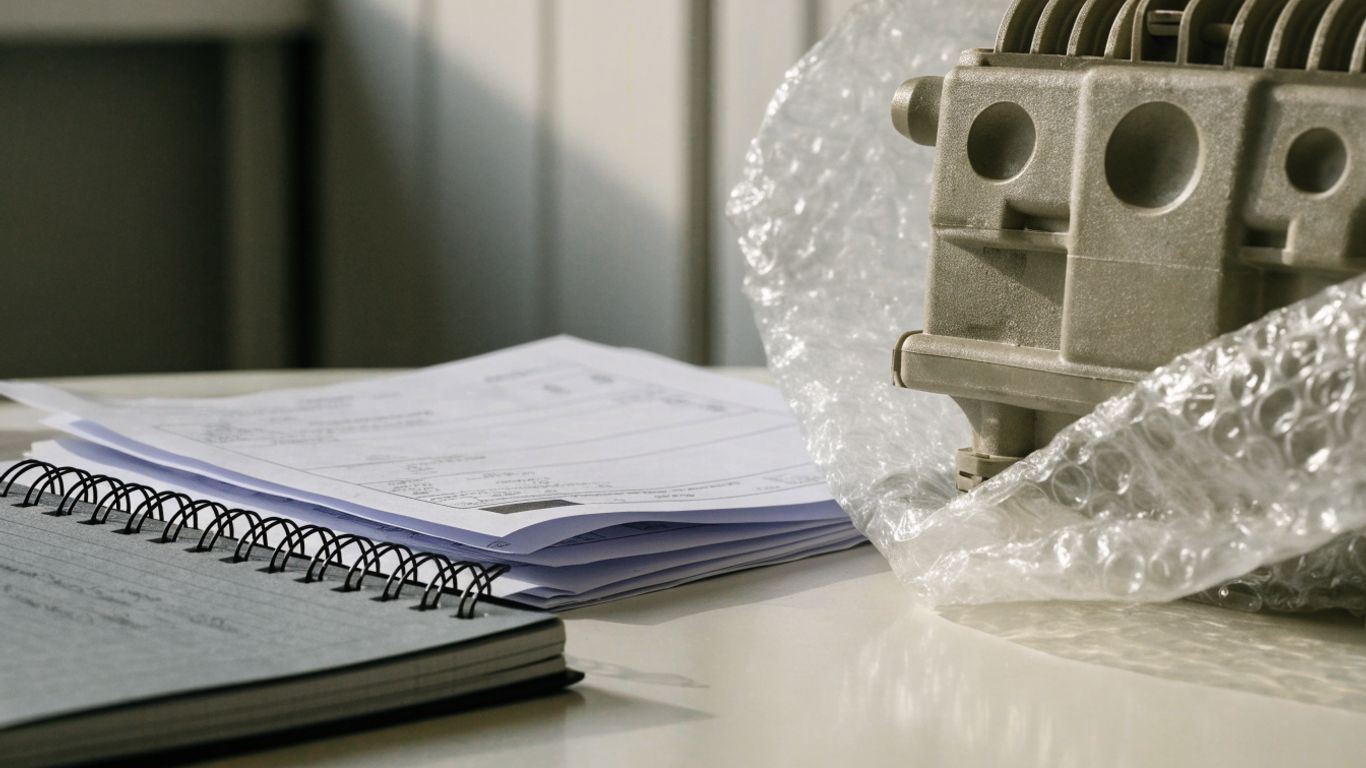
A genuine part and an aftermarket replacement are different categories, not simply different price points. Ask how the item is described on the quote and invoice, and whether it is new or used. If you are considering an alternative, compare its stated application and terms with the genuine option rather than judging by appearance alone.
Check packaging, labels, and part numbers
When a component is presented as genuine, ask whether it comes with identifiable packaging or labels and whether the part number is visible. Check that the number on the part or its documentation matches the number provided in the quote. Packaging can be helpful evidence, but it does not replace confirming the part’s identity and fitment with the seller.
Ask whether the part is new or previously fitted
A genuine part may be offered in different conditions, so establish whether it is new, used, or has been previously fitted. For a used component, ask what is known about its condition and whether any inspection or testing has been carried out. Get the answer in writing if the condition affects your decision or the warranty.
Confirm whether accessories and hardware are included
Some components may require related clips, fasteners, seals, or other hardware, while others are sold on their own. Ask for a clear description of what is included and whether you need to source anything separately. That makes the quoted price easier to compare and helps avoid a delay when the part is ready to install.
Choose a reliable Australian parts supplier
A useful supplier can explain what information is needed to identify a part and communicate clearly about availability and terms. Look for a seller that provides a business name and direct contact details, and ask how it handles uncertain fitment. Just Skoda supplies genuine, used, and aftermarket Skoda parts across Australia, with availability checked through its supplier network.
Look for clear business and contact details
Before paying, make sure you can identify the business and reach it if you have a question about your order. Check for a working phone number or email address and a clear explanation of how enquiries are handled. Just Skoda focuses on Skoda parts, so you can direct a Skoda-specific enquiry to its parts service and explain what you need.
Check how the seller verifies fitment
Ask what details the supplier uses to check whether a component suits your vehicle. A seller may need the VIN, part number, model year, or a combination of these. Just Skoda says it can verify compatibility with a specific Skoda, so provide the vehicle information it requests and clarify any uncertainty before ordering.
Review independent feedback and return policies
Customer feedback can offer a sense of how a business communicates, but read it as context rather than a promise about your own order. More directly, check the written return policy before you buy, including any conditions that apply if a part has been ordered in. A clear policy should explain how to raise an issue and what information the seller will need.
Ask about local stock and special orders
A listing or initial quote does not always mean a part is physically available for immediate dispatch. Ask whether the item is in stock, needs to be sourced, or is a special order, and request an estimated timeframe. Just Skoda checks availability across its supplier network; confirm the status and expected timing for the specific part you need.
Confirm fitment before you buy
Fitment checks are worth doing before payment, especially when the component is costly or difficult to return. Give the supplier enough information to distinguish your vehicle from similar versions and ask them to confirm the match. For parts that are not easily inspected after delivery, keep the confirmation and quote together with your order records.
Match the part number to your vehicle
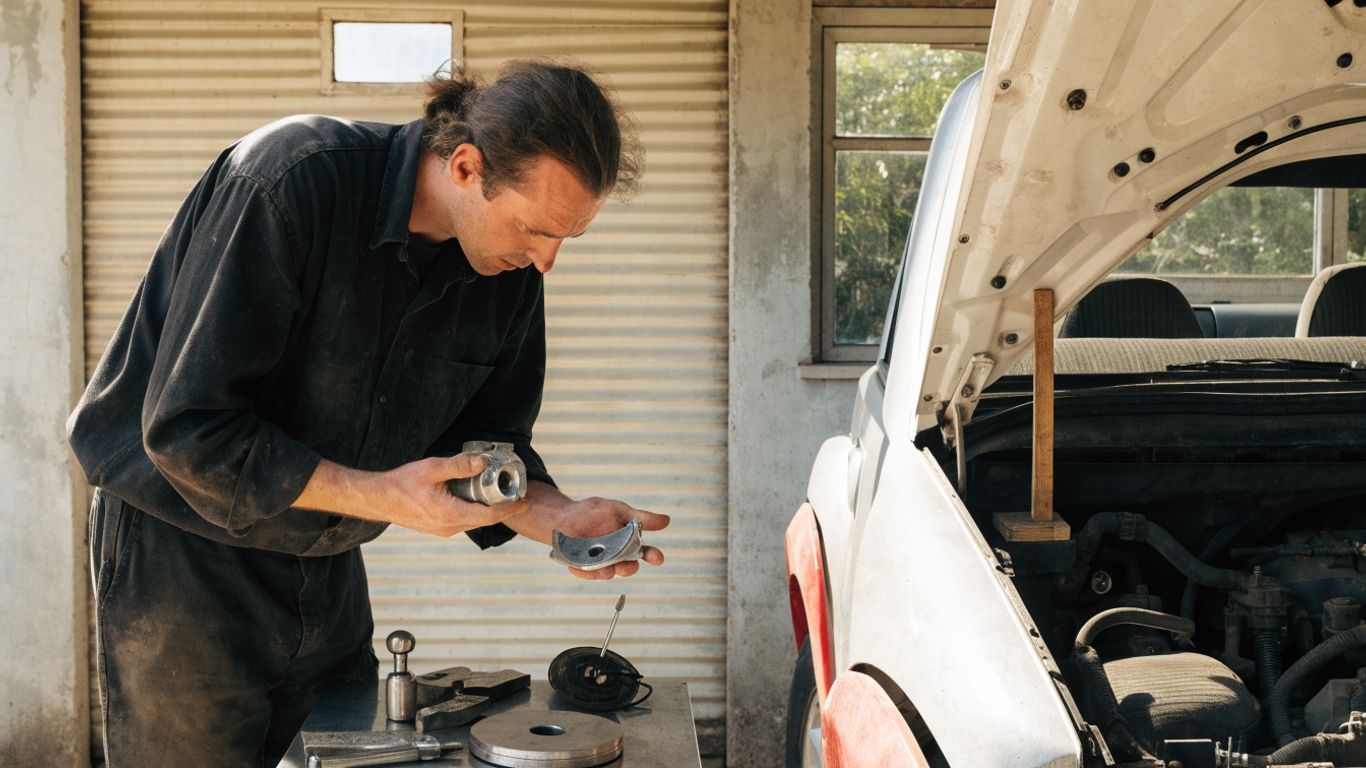
Compare the number supplied by the seller with the number on your old component, if available, and check whether any suffixes differ. A different number does not automatically mean the part is wrong, but it is a reason to ask for an explanation. Have the supplier confirm the proposed part against your vehicle details rather than relying on a visual match.
Share your VIN with the supplier
Provide the VIN through the supplier’s chosen contact method and ask them to use it as part of the fitment check. Include the model year and variant as well, particularly if you already know the vehicle has a specific engine or trim. If the seller needs a clearer photo or another identifying detail, respond before the order is finalized.
Verify compatibility for modified or imported vehicles
A modified vehicle may no longer match its original configuration in every respect, and an imported vehicle may have details that differ from a locally supplied version. Explain any modifications or import history that could affect the part. If you are unsure whether a change matters, describe it and ask the supplier to confirm what information is needed.
Get written confirmation for expensive components
For an expensive component, a written fitment confirmation gives both sides a clear record of what was checked. Include the VIN and part number in your message, and ask the seller to confirm the proposed item and its condition. Keep the reply with the quote so you can refer to the same details if a question comes up later.
Before you order, make sure the part, vehicle details, and agreed terms are all described clearly in writing.
That record is especially useful if a part number has changed or the seller has recommended an alternative. Read the confirmation alongside the quote, rather than treating a brief acknowledgment as a complete warranty or return guarantee.
Compare prices and warranty terms
A low price is only meaningful when you know exactly what is being offered. Compare the same part number and condition across quotes, then check whether the price includes the items and services you need. Read the warranty wording before deciding; coverage, duration, and exclusions can vary between sellers and parts.
Compare the same part number across sellers
Where possible, request quotes for the same part number, condition, and included hardware. If a quote uses a different number, ask whether it is an updated part or an alternative and get the explanation in writing. A direct comparison is more useful than lining up prices for components that may not be equivalent.
Check what the quoted price includes
Ask whether the price covers only the component or also includes related hardware, delivery, or other charges. Confirm whether any necessary accessories are sold separately. Once you have the full amount and the same details for each quote, you can compare the actual cost rather than just the headline figure.
Review warranty coverage and exclusions
Check the warranty duration, what it covers, and what conditions could affect a claim. Ask how the process works if the component proves faulty and whether installation or documentation requirements apply. Save the written terms with your invoice, since a general statement that a part is covered may not explain the practical limits.
Weigh genuine parts against suitable alternatives
If you are considering an aftermarket or used option, compare its condition, stated application, included items, and warranty with the genuine part. The right choice depends on the component and your priorities, so avoid treating price alone as a measure of suitability. Ask the supplier to explain the differences between the specific options being quoted.
Plan delivery, returns, and installation
Ordering is not the final step: delivery timing, return conditions, and installation can affect the total cost and convenience. Confirm the practical details before paying, particularly if the vehicle is off the road or a repair appointment is scheduled. Keep a copy of the order and terms so you can check them when the part arrives.
Confirm shipping costs and delivery estimates
Ask where the part will be dispatched from, what delivery method is planned, and whether shipping is included in the quote. Request an estimate for your location and treat it as an estimate unless the seller guarantees a date in writing. If timing is critical, confirm the dispatch status before making arrangements around the expected arrival.
Check return conditions for ordered parts
Read the return terms before placing the order, paying close attention to special-order items and any conditions around packaging or installation. Ask what to do if the part arrives damaged or appears not to match the agreed description. Knowing the process in advance is easier than trying to resolve it after the component has been fitted.
Keep invoices and packaging until fitment is confirmed
When the part arrives, compare it with the order details before discarding the packaging. Keep the invoice, labels, and any written fitment confirmation while you check that the component is the one you ordered. If something does not match, contact the seller promptly and follow the stated return or issue process.
Decide whether a qualified technician should install the part
Some replacement work calls for specialist tools, diagnostic equipment, or experience with the relevant system. If you are not confident about the work, ask a qualified technician to assess the part and handle installation. Discuss the part and its warranty conditions before the work begins, and keep any installation records with your purchase documents.
Conclusion
To buy genuine Skoda auto parts Australia with confidence, begin with accurate vehicle details and verify the part number, condition, and fitment before paying. Compare complete quotes, read the warranty and return terms, and plan delivery and installation around the specific component you need.