
Key Takeaways
Sourcing high-quality parts for your machine requires research and careful verification. Here is what you need to know about navigating the salvage market.
- Start by identifying the specific OEM part numbers for your quad model.
- Prioritize sellers who provide detailed photos of all internal and external surfaces.
- Inspect structural components for evidence of weld repairs or stress fatigue.
- Use appropriate pullers and torque tools to avoid damaging newly acquired parts.
- Always verify that your components match your chassis and engine requirements precisely.
Understanding parts compatibility for Suzuki ATVs
Navigating the world of older utility machines requires a firm handle on mechanical variations between production runs. Minor differences in frame geometry or engine displacement can make a part look identical to the naked eye while actually being incompatible with your specific machine. Taking the time to research your requirements ensures that you avoid unnecessary shipping costs and frustration during your rebuild project.
Identifying model-specific part numbers
Finding the right component begins with locating the exact alphanumeric tag assigned by the manufacturer. These codes act as the primary language for identifying cross-generational matches, especially when different model years appear to share the same exterior silhouette.
Leveraging online parts fiches and diagrams
Digital diagrams provide the blueprint necessary to visualize complex assemblies, showing exactly how components fit together within the broader chassis. You should rely on these visual references to compare exploded views of your current unit against potential replacement units before making a purchase.
Cross-referencing components between model years
Many parts feature broad overlaps across extended production cycles, though manufacturers occasionally update critical fittings mid-run. It is common to find instances where a component from an earlier era fits perfectly while another seemingly simple item from a parallel build requires significant modification.
Distinguishing between engine and chassis compatibility
Your engine displacement often dictates the internal components like pistons or valves, while chassis parts are typically tied to the suspension and frame architecture. You must ensure that you are focusing on the correct category, as engine and chassis parts often carry distinct compatibility rules that do not translate between one another.
Where to find reliable used Suzuki quad bike parts
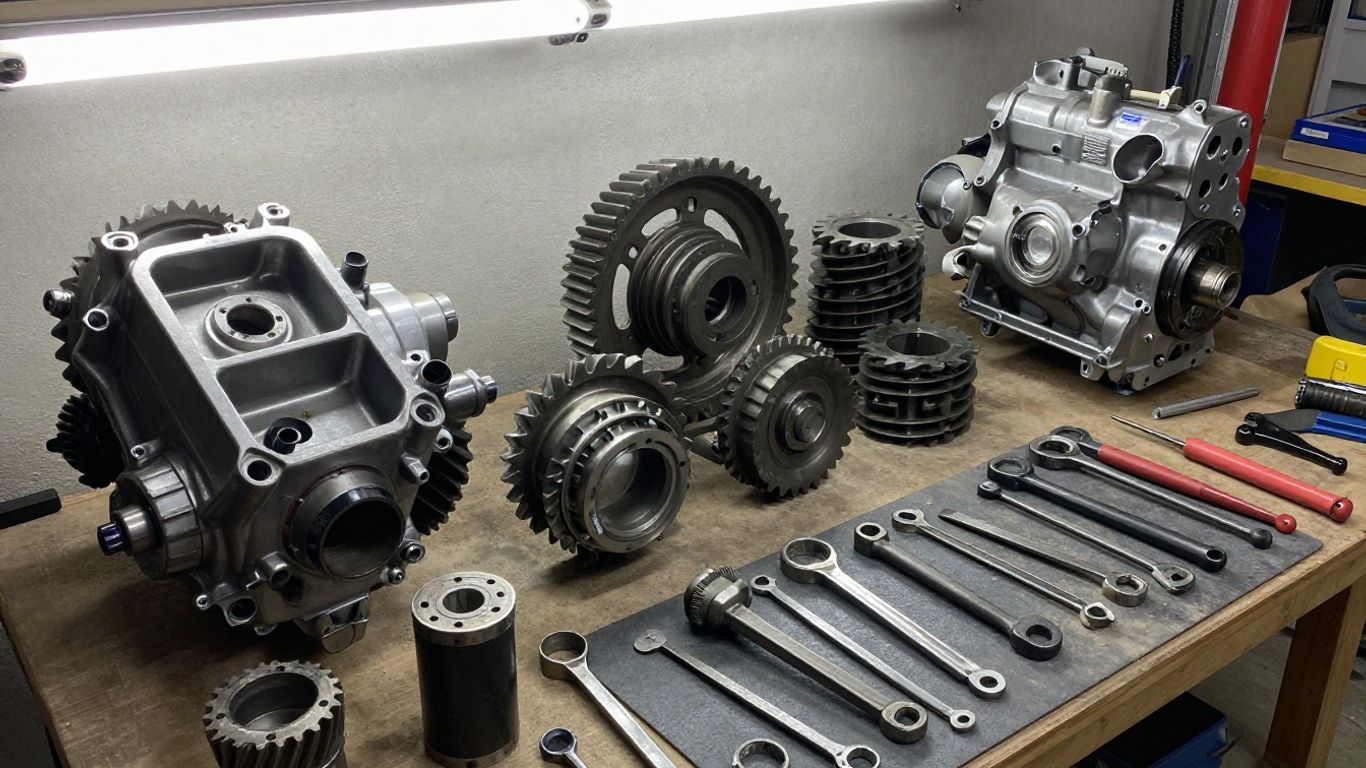
Locating high-quality salvage items involves broadening your search across various digital and physical networks. Local salvage yards remain a classic option for tactile inspections, but online marketplaces have vastly increased the reach for those hunting rare components. Establishing trust with reputable vendors is a vital part of the process, as it minimizes the risk of receiving components that do not meet your functional standards.
Scouring specialized ATV salvage yards
Dedicated salvage yards are often the best places to find salvaged components that have been vetted by experienced technicians. These businesses maintain records of how a machine arrived in their inventory, which can prove invaluable when assessing the history of items like transmission cases or differential housings.
Navigating online marketplace and auction sites
Global auction platforms provide access to an incredible inventory of salvaged goods, provided you keep a sharp eye on shipping costs. You can often find detailed listings from major wrecking services that specialize in dismantling large volumes of fleet inventory.
Connecting with enthusiast forums and clubs
Sometimes the best parts are found through community members who are stripping down older machines in their own garages. Forums frequently host classified sections where you can find honest descriptions of condition and sometimes even histories of recent maintenance.
Evaluating vendor reputation and return policies
Before finalizing any transaction, check the history of recent feedback left by other buyers to determine if the vendor is known for clear communication. A reliable seller should offer a transparent return process if a part is found to be non-operational upon installation, which adds a safety net for your mechanical investment. Many of the most respected shops operate with a structured policy that ensures you are covered against mechanical failures or logistical errors.
| Vendor Category | Reliability Level | Return Policy Length |
|---|---|---|
| Specialized Yard | High | 30 Days |
| Auction Site | Moderate | Varies by Seller |
| Enthusiast Forums | Variable | Typically None |
Taking these steps to vet a seller often separates a successful repair from a wasted effort. Once you have confirmed the return process and understood the risks, you can feel much more confident in securing the hardware necessary for your machine to run correctly again.
How to inspect used parts for wear and damage
Conducting a thorough physical assessment of any salvaged item is the final line of defense against installing damaged goods. Even components that appear clean on the surface may hide internal issues that cause failure during high-stress activities. A methodical inspection approach allows you to catch fatigue or wear discrepancies before they escalate into larger mechanical problems during operation.
Assessing mechanical integrity of transmission components
Transmission parts should rotate smoothly by hand without any perceptible binding or grinding sounds. Look carefully at the gear teeth, checking for any rounding of the edges or signs of metal fragments that indicate excessive friction or neglect in previous operation.
Identifying signs of structural stress or repair on frames
Frames endure significant forces during their life, and it is common for high-stress joints to develop fatigue cracks over many seasons of riding. Inspect the areas around mount brackets and welding points to see if the metal looks deformed or if fresh, non-factory weld beads suggest that the structure was previously damaged.
Checking electrical connectors and wiring harnesses
Electrical systems can silently fail if terminals have suffered from moisture intrusion and corrosion. Inspect the insides of plastic plugs for greenish oxidation, as this is a clear sign that resistance will be high and performance will be inconsistent when you try to power your accessories.
Evaluating cosmetic items for hidden fatigue
Plastic and metal trim pieces can become brittle over time due to exposure to UV light and temperature fluctuations. If you are sourcing body panels or non-structural mounts, check for hidden stress lines where the material is thinner, as these are likely points for future cracking under vibration.
Common pitfalls when buying salvaged ATV components
Not every used part on the market is worth the purchase price, and being aware of frequent mistakes saves significant time. The temptation of a bottom-dollar price can sometimes obscure the reality that the cost of cleanup or repair will eventually exceed that of a new alternative. Focusing on the actual condition rather than the listing price remains the most effective strategy for builders.
Avoiding parts removed from flood-damaged machines
Machines that have been submerged often harbor moisture in places that are nearly impossible to clean, such as deep inside bearings or long wiring looms. These components are frequently ticking time bombs for electrical shorts or internal oxidation that will not appear until the part is fully warmed up underload.
Recognizing the risks of internal corrosion
Even if a part seems to rotate freely, micro-scales of rust within closed cavities can compromise precision sealing surfaces very rapidly. If you detect any brown or orange residue within a lubricated chamber, assume that the internal seals are likely scarred or degraded.
Overlooking hidden shipping and handling costs
Heavy chassis items often carry surprising freight fees that can effectively double the price of a bargain find. Always calculate the total cost including logistics before committing, as a heavy engine block might be locally sourced for less even if the initial listing price seems higher.
Failing to request detailed photos of friction surfaces
Clutches and brakes depend entirely on the condition of their flat contact planes, which should be perfectly smooth and free of glazing. Never trust a listing that omits clear macro shots of these specific engagement areas, as once they are compromised, their utility is permanently lost.
Essential tools for removing and installing used parts
Having the right equipment is non-negotiable when dealing with components that have seen years of service and environmental exposure. Fasteners on older machines are often seized, and using the wrong wrench can strip a bolt that is otherwise perfectly reusable. Preparation in the garage allows you to handle even stubborn hardware with precision and care.
Utilizing torque wrenches for engine and chassis fasteners
Following the correct fastener tension specifications prevents warped gaskets and thread failure during installation. For critical engine mounts, you might use a specific tension guide. It is wise to consider that:
A torque wrench ensures that every bolt maintains the correct load-bearing capacity without damaging the threads of older, potentially heat-cycled castings.
Applying these precise measurements ensures that your components remain secure despite the vibrations and stresses inherent in a utility vehicle’s operation, allowing for longevity in your restoration work.
Acquiring specialized pullers for flywheel and clutch service
Removing tightly fitted engine parts requires dedicated pulling tools that apply even pressure across the surface. Attempting to pry these components with hammers or screwdrivers almost always leads to bent casings or broken internal fins, which are costly mistakes to fix.
Consulting service manuals for correct reassembly sequences
Even experienced mechanics should refer back to the official service procedures when handling complex assemblies like internal transmissions. Proper sequences prevent the binding of shafts or the improper seating of gaskets, which could force you to tear the entire unit back apart after you have already completed the job.
Preparing diagnostic software for modern fuel-injected models
Modern fuel-injected machines require computer-based tools to reset electronic control units or calibrate new sensor configurations during a major part swap. Without access to these systems, you may find that the machine enters a restricted mode because the electronics do not recognize the configuration change in the hardware.
Tips for verifying Genuine Suzuki parts
Genuine OEM equipment provides reliability through standardized material specifications that generic copies simply cannot replicate. Recognizing these marks is key to ensuring that you are buying the quality you expect for your machine. Proper verification ensures that your component will interface correctly with the rest of your vehicle during daily operation.
Interpreting OEM part markings and production stamps
Every original component will feature cast or stamped identifiers that indicate its origin and batch number. Learning how to spot these subtle markings gives you the ability to verify that you are looking at an authentic unit rather than a copycat variant.
Identifying common aftermarket clones and replicas
Aftermarket replicas might look similar but often lack the precise metallurgy or chemical treatment of the original design. If the finish looks unusual or if the weight of the part feels significantly lighter than the original it replaces, you are likely looking at a replica.
Checking serial numbers against official databases
High-value items such as complete engine blocks or transmission cases often have serial numbers that can be traced through official records. Accessing these registers helps you confirm both the authenticity of the item and its compatibility with the build generation of the rest of your machine.
Understanding the importance of original material specifications
Original parts are produced using specific alloys and surface treatments calculated to manage heat and vibration under exact conditions. Using anything less than the original material specification can lead to localized hotspots or premature structural failure after only a small amount of run-time.
Conclusion
Securing the right components for your quad bike project comes down to a combination of careful research, thorough visual inspection, and sourcing from vendors you trust. By following the best practices for assessing compatibility and physical condition, you ensure that your investment results in a machine that performs reliably on every ride. With the proper tools and a commitment to verifying parts, your maintenance efforts will keep your vehicle running in top shape for years to come.
Get in touch
If you need assistance finding specific items or want to speak with an expert about your rebuild, our team is ready to help. Reach out to our service professionals today to ensure you have the parts and guidance needed for your project, with service available across Australia.