

Shopping for a Volkswagen Golf engine for sale can feel overwhelming at first. There are tons of choices out there, from brand new engines at the dealership to used ones you can find online or at a local yard. Whether your old engine finally gave up or you just want more power, finding the right fit for your Golf is important. This guide will help you figure out your options, what to look for, and how to make a smart buy without breaking the bank.
Key Takeaways
- You can find both new and used Volkswagen Golf engines for sale from dealerships, online shops, and salvage yards.
- Always check the engine code and make sure it matches your Golf’s model year and trim.
- New engines are more expensive but usually come with a better warranty and peace of mind.
- Used or refurbished engines can save you a lot of money if you inspect them carefully before buying.
- Professional installation and regular maintenance are important to keep your replacement engine running smoothly.
Types of Volkswagen Golf Engines for Sale
Gasoline vs. Diesel Engine Options
When you’re on the hunt for a replacement engine for your Volkswagen Golf, the most noticeable difference you’ll see is between gasoline and diesel engines. Gasoline options tend to be quieter and offer a more spirited drive, especially at lower speeds. Diesel engines, on the other hand, usually provide better fuel economy and more torque, making them a smart choice for folks who rack up a lot of highway miles or love that extra pull when carrying heavy loads. Older Golfs had more diesel choices, but recent years have shifted toward gasoline, partly due to stricter emissions rules.
People often pick engines based on their driving habits – city drivers gravitate toward gasoline, while diesel wins over long-distance commuters.
Common Engine Codes and Compatibility
Engine codes are like an ID tag for your Volkswagen Golf’s heart. Each code points to a specific configuration, from fuel system to output and generation. Checking the code on your current engine ensures the replacement will just drop in without any weird surprises. Some popular examples include AXX (common in high-output turbo models), BKD for efficient diesels, and BKG seen in earlier Golfs. Mixing up the codes could mean headaches with wiring, mounts, and even sensors, so it’s not just a random detail.
| Engine Code | Fuel Type | Displacement | Power (HP) | Common Years |
|---|---|---|---|---|
| AXX | Gasoline | 2.0L Turbo | 197 | 2004-2008 |
| BKD | Diesel | 2.0L TDI | 138 | 2004-2010 |
| BKG | Diesel | 1.9L TDI | 90 | 2004-2007 |
Performance and Power Ratings Explained
Power figures on Golf engines can seem confusing at first. Some engines are built for everyday use, offering moderate horsepower and higher fuel efficiency. Others, like the GTI or R variants, push out serious horsepower built for enthusiasts chasing thrills. The rating is always measured in horsepower (HP) or kilowatts (kW), and it’s worth looking up what your original engine delivered before shopping for a replacement. Swapping in an engine with much more or less power can change how your car feels – sometimes in ways you might not expect.
Where to Buy a Volkswagen Golf Engine for Sale
Finding the right Volkswagen Golf engine can feel overwhelming, but you have a few great options for where to start your search. The right place to shop depends on what you need—whether that’s peace of mind and a warranty, or just the best price.
Certified Dealerships and Authorized Retailers
Buying from a certified VW dealer or authorized retailer is the safest route if you value reliability and support. Dealers offer brand-new engines that meet factory standards, and often pair purchases with solid warranty coverage. Plus, if you’re unsure about compatibility, they can check your VIN and help you order the perfect engine for your year and model. Prices can go up quickly with new engines at dealerships, but the fit, compatibility, and backing from VW itself can give you a calm mind after install.
At a dealership you don’t worry about getting the wrong engine or a faulty unit. They handle the details, proper paperwork, and you know exactly what you’re getting.
Online Marketplaces and Specialty Shops
If you’re comfortable shopping online, there’s a surprising number of specialty shops and marketplaces offering a mix of new, used, and refurbished Volkswagen Golf engines. You’ll usually find more options, and sometimes lower prices, than at local dealers. These sites often offer detailed filters, so matching an engine by year, model, fuel type, or code is easier. The catch is—you must do your own homework and double-check fitment.
Here’s a quick comparison of what you might find online:
| Engine Type | Condition | Price Range | Typical Warranty |
|---|---|---|---|
| Gasoline (New) | New | $3,000–$6,500 | 12–24 months |
| Diesel (New) | New | $3,500–$7,000 | 12–24 months |
| Gasoline (Used) | Used/Refurb | $900–$2,500 | 1–6 months |
| Diesel (Used) | Used/Refurb | $1,200–$2,800 | 1–6 months |
Online, the selection’s big, but you’ll want to ask for specific engine codes, mileage, and service history before sending any money.
Local Salvage Yards and Rebuilders
For folks willing to get their hands a bit dirty, salvage yards or local engine rebuilders are worth a look. Used engines pulled from accident-damaged Volkswagens can be a bargain here, and yard prices are often negotiable. You’d need to inspect the engine yourself, check the code, and confirm condition before buying. Many local rebuilders even offer refurbished engines with basic testing and a short warranty. This route is riskier, but for a low-cost project car or DIY repair, it often makes the most sense.
Sometimes, the cheapest engines come from local yards, but you have to check things carefully and be ready for some surprises after install.
No matter where you buy, make sure the engine fits your model year and has matching codes—otherwise you could waste good money on the wrong fit.
Evaluating New Versus Used Volkswagen Golf Engines
Benefits of Purchasing a New Engine
A new Volkswagen Golf engine brings peace of mind from the start. You get the factory performance, full warranty coverage, and zero unexpected surprises from previous use. The engine arrives clean, ready to install, and matched to the car’s original specs. Usually, you see the best reliability for years before any worries about mechanical trouble. The upfront cost is higher, but you avoid the risks and unpredictability that sometimes follow a used motor.
| Engine Type | Expected Lifespan | Warranty | Cost Estimate |
|---|---|---|---|
| New | 100,000+ miles | 3-5 years | $3,500-$7,000 |
If your Golf is newer or you just want to keep things simple, a new engine is the safest way to get your car running like it was brand new out of the showroom.
Advantages of Opting for Used or Refurbished Engines
A used or rebuilt Volkswagen Golf engine can be a solid move when you need to save cash or the car is a bit older. Many shops inspect and rebuild engines, swapping out worn parts and fixing common trouble spots. You might not get the same warranty as a new one, but you can pay half or even less—making this a popular choice for DIYers or anyone who just needs their Golf back on the road without breaking the bank. Some refurbished engines even come with short-term guarantees for a little extra confidence.
| Engine Type | Expected Lifespan | Warranty | Cost Estimate |
|---|---|---|---|
| Used/Refurbished | 50,000-75,000 mi | 3-12 months | $800-$2,500 |
Used engines work best if you research the seller, ask lots of questions about service history, and don’t mind a little risk in exchange for saving money.
Inspection Tips for Pre-Owned Engines
When buying a pre-owned Golf engine, it’s smart to check more than just the price tag. Ask for compression test results and look for leaks, rust, or strange markings on the exterior—these can tell you how well the engine was treated. If the seller doesn’t know the mileage or can’t provide paperwork, it’s a gamble. Bring a mechanic if you can, or at least get someone with experience to give it a second look.
Sometimes it’s not just about the miles—how an engine was cared for can make more difference than any odometer reading.
How to Ensure the Best Fit for Your Volkswagen Golf
If you’re on the hunt for an engine swap for your Volkswagen Golf, making sure you get exactly the right engine is everything. Even the highest quality engine won’t do you much good if it doesn’t fit or work with your specific Golf model. Let’s go over how to match things up properly, so your Golf gets back on the road without hiccups.
Understanding Engine Compatibility by Model Year
Volkswagen Golf engines aren’t all interchangeable—your car’s model year and trim make all the difference. Over the years, VW has made tweaks to engine designs, mounting points, wiring, and even emission controls. For example, a 2015 Golf 1.8L TSI engine won’t swap straight into a 2022 Golf GTI without issues. It’s best to check the exact production year and confirm with the manufacturer’s documentation before purchasing anything.
| Model Year | Engine Options | Notes |
|---|---|---|
| 2010-2014 | 2.0L TDI, 2.5L I5, 1.4L TSI | Limited compatibility |
| 2015-2019 | 1.8L TSI, 2.0L TSI (GTI) | Newer mounting, sensors |
| 2020-2024 | 2.0L TSI (GTI/Golf R) | Latest electronics, rarer |
Double-checking model year against engine options can save you a lot of time, stress, and money. Never make assumptions based on looks alone—those minor under-the-hood changes matter.
Checking Engine Codes and Specifications
Every VW Golf engine has a unique code—usually a three or four-letter combination (like "CCTA," "DKFA," or "BKG"). This code is what really matters when matching engines. It’s usually found stamped on the engine block or printed on a sticker somewhere under the hood. Matching these codes up between your current engine and the one you’re buying means you’re in the clear for compatibility.
| Engine Code | Fits Golf Years | Type | Power |
|---|---|---|---|
| CCTA | 2009-2014 | 2.0L TSI | 200 HP |
| DKFA | 2015-2021 | 1.8L TSI | 170 HP |
| BKG | 2004-2008 | 1.9L TDI | 90 HP |
If you’re shopping for a used or rebuilt engine, bring your old engine code with you when you call or visit. It’ll keep confusion and costly mistakes to a minimum.
Consulting with Automotive Professionals
Let’s be honest—unless you eat, sleep, and breathe Volkswagens, things can get confusing fast. Experienced mechanics, especially those with VW experience, can point out problems you might not notice: wiring harness changes, coolant line routing, or even transmission differences.
A five-minute conversation with a trustworthy VW mechanic can be the difference between a smooth engine swap and a money pit. And if you’re buying from a reputable source, they’re usually happy to check the engine code or VIN for you as part of the process.
Sometimes, the smartest money you’ll spend is just talking to someone who’s already done what you’re about to do. It’s a lot cheaper than paying for the wrong part—or paying for the same job twice.
Price Range and Warranty Considerations for Volkswagen Golf Engines
Typical Costs for New and Used Engines
When you start looking for a Volkswagen Golf engine, the price depends a lot on whether you’re hunting down a brand-new powertrain or deciding to go with something used. New engines almost always cost more, reflecting the fact you’re getting something untouched with zero miles and usually a fuller warranty. On the other hand, used and refurbished options are much easier on your wallet, but their condition can vary based on the seller, the mileage, and how well the engine was maintained. Here’s a quick breakdown of what you might expect to pay:
| Engine Type | Price Range (USD) |
|---|---|
| New | $4,000 – $7,500 |
| Refurbished/Reman. | $2,000 – $3,800 |
| Used | $1,000 – $2,500 |
For rare or performance models like the Golf R, those numbers can swing higher, and sometimes shipping or installation will be extra.
Sometimes the cost of a new engine can even top the value of an older Golf, which pushes a lot of owners to go with a good used or rebuilt option instead.
Factors That Affect Pricing
The final cost isn’t just about whether the engine is new or used. You’ll notice newer model years, high-demand engine codes, or versions with turbochargers will cost more. Refurbished engines come with some reconditioning and a partial warranty, bumping up the price compared to something pulled straight from a wrecked car. Who you buy from—private seller, specialty shop, or a big dealership—can add some markup, too. Installation is often a separate fee, and labor isn’t cheap, especially for modern VW motors packed with sensors and electronics.
Warranty Coverage and Protection Plans
Warranty options matter a ton when you’re dropping serious cash on an engine. New engines are usually packaged with robust manufacturer warranties—think 2 to 3 years or sometimes up to 36,000 miles for defects and failures. Refurbished or remanufactured engines from big retailers will be covered for a bit less—often 1 year or 12,000 miles, whichever comes first. Used engines, especially those from salvage yards, might carry only a short-term warranty or sometimes nothing at all:
| Engine Condition | Typical Warranty Terms |
|---|---|
| New | 2–3 years / 24,000–36,000 miles |
| Reman/Refurbished | 6–12 months / 6,000–12,000 miles |
| Used (as-is) | None or 30–90 days |
Don’t gloss over the fine print here—some warranties only cover the part, not labor. Reading all the details, or talking to a mechanic before buying can save headaches down the road.
Installation and Maintenance Tips for Your Replacement Engine
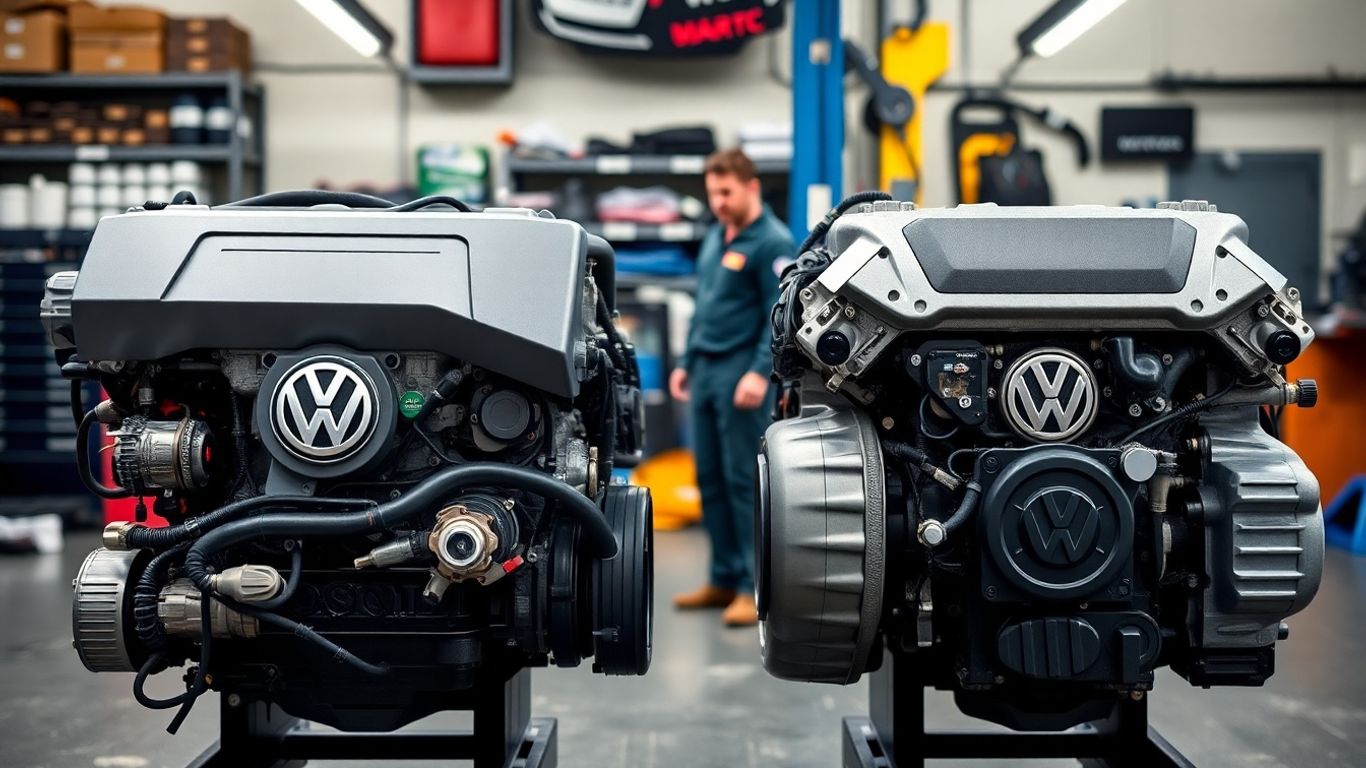
When you’re finally staring at that replacement engine in your garage, there’s a real mix of excitement and anxiety. Swapping out an engine isn’t easy, but getting it right can make your Golf run like it just rolled off the line. Here’s how to deal with the tricky bits, from picking a good mechanic to checking for trouble after it’s in.
Choosing a Qualified Mechanic or Workshop
Trusting your engine installation to a pro isn’t just smart—it’s necessary. Even if you’re handy, modern engines have a lot going on. A mechanic with solid VW experience knows the ins and outs of common Golf models, the quirks of turbocharged engines, and the right tools for the job. If you go with a shop, ask if they have experience with engine swaps, and don’t be shy about checking reviews or asking for customer referrals. Usually, a shop that stands behind its work will offer some kind of installation warranty as well.
If anything feels wrong, don’t settle. This is your car’s heart—if you can’t trust the shop with it, walk away and keep looking.
Essential Maintenance After Installation
Once your new or used engine is in, don’t just start racking up miles and forget about it. The first thousand miles (or the first couple months) are the most important. Oil needs to be changed early—sometimes after just 500 miles—especially if you’re running a used engine or rebuilt block. Pay close attention to fluid levels and make sure the cooling system was fully bled. It’s also critical to recheck all torque specs and fasteners after a short break-in period to catch anything that’s loosened up.
| Maintenance Task | When to Complete | Notes |
|---|---|---|
| First Oil Change | 500 – 1,000 miles | Use correct grade for engine |
| Coolant Check | 1 week after swap | Ensure system is air-free |
| Torque Fastener Check | 500 miles | Especially mounts and head bolts |
| Scan for Error Codes | After 1st drive | Use OBD-II scanner |
Warning Signs to Watch After Engine Swap
Things aren’t always perfect right away. Maybe you hear a weird ticking or spot a drop of oil under the car. If you notice noise, smoke, leaks, or unusual engine codes, don’t ignore them. Sometimes, a loose clamp is all it takes to ruin a Sunday. Small problems right after installation can snowball if you don’t handle them quickly. Most warranty terms require you to report issues right away—get in touch, document everything, and don’t try to hide or fix major problems yourself. Stay alert for changes in throttle response, overheating, or vibrations that weren’t there last week. Sometimes it’s a simple fix, sometimes it’s not, but catching it early can spare you a massive headache.
Your best friend in this process really is a good relationship with your shop. They’ve seen it all before and can help you spot issues before they become disasters.
Getting a new engine is just the first step. You also need to install it properly and keep up with basic maintenance like oil changes and regular checks. If you need more help, visit our website for more advice and support. Your car deserves the best care, and we’re here to help you every step of the way.
Conclusion
So, that’s pretty much everything you need to know about finding a Volkswagen Golf engine, whether you want something brand new or a solid used option. It can feel a bit overwhelming at first, but once you start looking around, there are actually a lot of choices out there. Some folks swear by getting a new engine for peace of mind, while others are happy to save money with a used or refurbished one. Either way, just make sure you check the details and ask questions before you buy. With a little patience, you’ll find the right engine for your Golf and get back on the road without too much hassle. Good luck with your search!