
Troubleshooting Your VW Jetta Gearbox and Transmission: Common Issues & Solutions
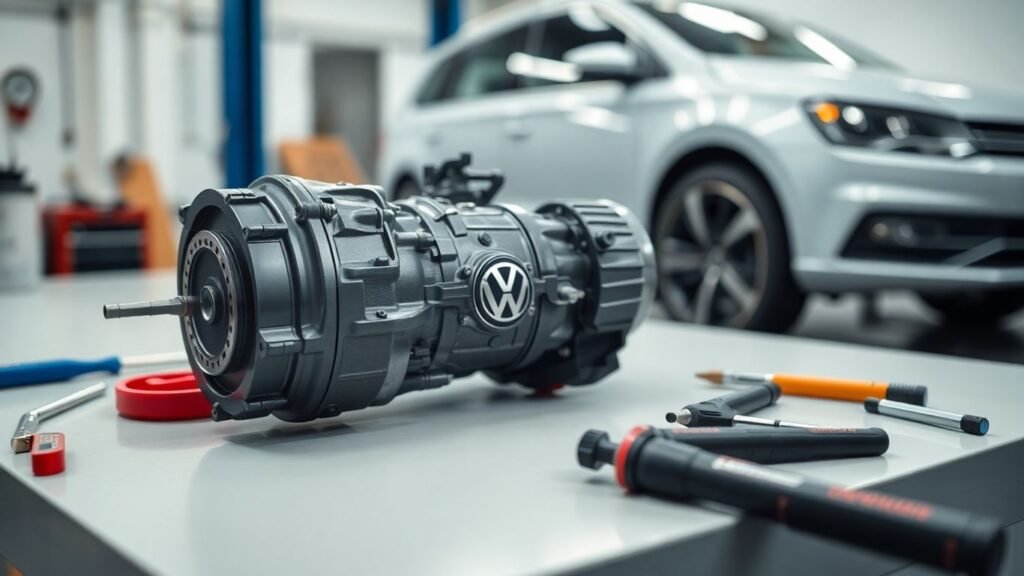
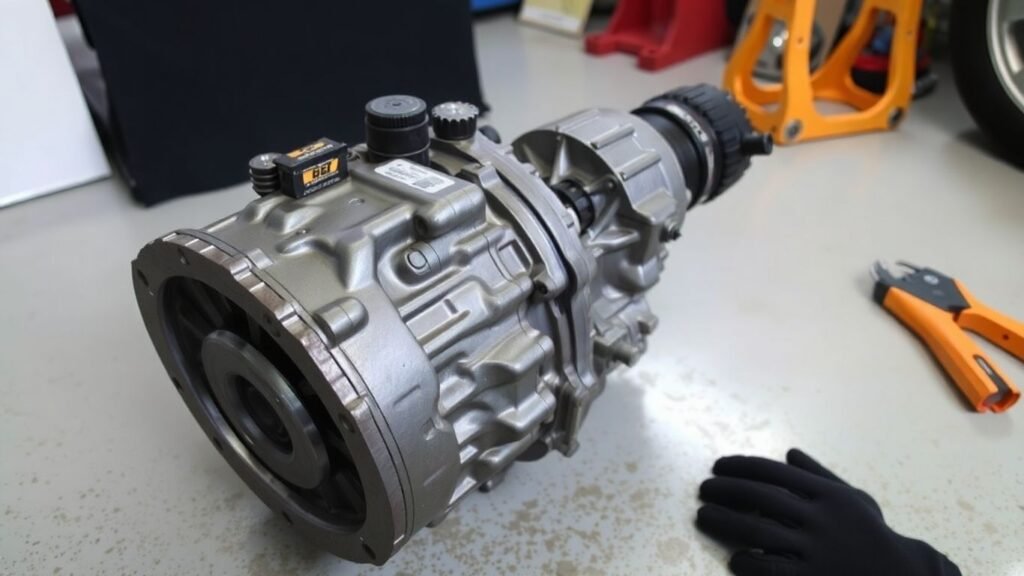
Your VW Jetta gearbox and transmission are pretty important for getting around. Like any car part, they can sometimes act up. Maybe you’re noticing some weird noises, or perhaps shifting isn’t as smooth as it used to be. It’s not always a huge deal, and often, there are simple fixes or maintenance steps you can take to get things back on track. This guide will help you figure out what might be going on with your VW Jetta gearbox and transmission and what to do about it. Key Takeaways Common VW Jetta gearbox and transmission issues include delayed or hard shifting, slipping gears, grinding noises, and fluid leaks. Warning lights on your dashboard, erratic shifting, or signs of transmission overheating are indicators that your VW Jetta gearbox and transmission need attention. Regularly checking and maintaining your transmission fluid – ensuring it’s at the right level and clean – is vital for the health of your VW Jetta gearbox and transmission. Mechanical problems in your VW Jetta gearbox and transmission might involve worn internal parts, clutch issues, or problems with the valve body and torque converter. For complex issues, especially with DSG or electronic transmissions, or if you’re unsure, seeking professional help from a trusted VW specialist is the best course of action for your VW Jetta gearbox and transmission. Understanding Common VW Jetta Gearbox and Transmission Issues Delayed Shifting or Slipping Gears This is a pretty common one, especially with automatic transmissions. You hit the gas, and there’s just this noticeable pause before the car actually picks up speed. Sometimes, it feels like the transmission just isn’t grabbing properly, almost like it’s slipping out of gear for a second. This can be unnerving, and it often points to a few potential culprits. Low transmission fluid is a big one, but so is fluid that’s gotten old and dirty. Internal wear and tear on transmission parts can also cause this kind of behavior. Hard Shifting and Grinding Noises If you’re driving a manual Jetta, you might notice it’s getting tough to get the shifter into gear, or you hear an unpleasant grinding sound when you try. This usually means something is worn out. The clutch is a prime suspect, but the synchronizers, which help gears mesh smoothly, can also be the problem. For automatic transmissions, hard shifts can sometimes be linked to electronic issues with the transmission control module (TCM) or problems within the valve body, which directs fluid flow. Transmission Fluid Leaks Spotting a puddle of reddish or brownish fluid under your Jetta is never a good sign, and it’s often transmission fluid. These leaks can happen for a variety of reasons, from simple things like worn-out seals or gaskets to cracked transmission lines. It’s really important to address leaks quickly because a lack of transmission fluid means your gearbox isn’t getting the lubrication and cooling it needs to function, which can lead to serious damage. Ignoring small leaks or the occasional odd shift can snowball into much bigger, more expensive problems down the line. Transmissions are complex and rely on proper fluid levels and condition to keep everything running smoothly and cool. Diagnosing Transmission Problems in Your VW Jetta So, your Jetta’s acting a little weird with its gears? It happens. Figuring out what’s actually going on under the hood can feel like a puzzle, but there are some clear signs to look out for. Ignoring these can turn a small hiccup into a major headache, and nobody wants that. Check Engine or Transmission Warning Lights That little light on your dashboard isn’t just for show. If your Check Engine light pops on, or if there’s a specific transmission warning light flashing, it’s your car’s way of saying "Hey, pay attention!" These lights can mean a whole range of things, from something as simple as low transmission fluid to more complex internal issues. Don’t just ignore it; get it checked out. It’s your first real clue that something’s up. Erratic Shifting or Surging Does your Jetta sometimes shift gears when you don’t expect it to, or maybe lurch forward unexpectedly? This is often called erratic shifting or surging. It’s particularly common in models with the DSG transmission. It can feel pretty unnerving when your car decides to shift on its own. This could be a sign of software glitches, problems with the transmission control module (TCM), or even mechanical wear inside the gearbox. Transmission Overheating Symptoms If you notice a strange burning smell coming from your car, or if the transmission warning light comes on accompanied by a temperature warning, your transmission might be overheating. This usually happens when the transmission fluid isn’t doing its job of cooling and lubricating properly. Low or old fluid is a common culprit. Overheating can cause serious damage if you don’t address it quickly, so if you suspect this, pull over safely and get it looked at. Sometimes, the simplest explanation is the right one. Before you panic about major mechanical failures, double-check the basics like fluid levels and listen for unusual noises. A quick inspection can save you a lot of time and money. Symptom Possible Cause Dashboard warning light Low fluid, internal fault, sensor issue Jerking or rough shifts Fluid issue, TCM problem, worn clutch Delayed acceleration Low fluid, internal wear, torque converter issue Burning smell Overheating, burnt fluid, internal damage Addressing VW Jetta Gearbox and Transmission Fluid Concerns Transmission fluid is like the lifeblood of your Jetta’s gearbox. It’s not just about lubrication; it keeps things cool and helps with the hydraulic functions that make shifting smooth. Neglecting your transmission fluid is one of the quickest ways to invite serious, expensive problems. Importance of Transmission Fluid Maintenance Think of your transmission fluid as the oil in your engine, but for the gearbox. It reduces friction between moving parts, which is super important because transmissions have a lot of tiny, intricate pieces working together. It also carries away heat generated during operation. When this fluid breaks down or gets dirty,