
Key Takeaways
Selecting the right pre-owned marine engine requires balancing technical condition with part availability. Understanding the origin of salvaged components and the differences in refurbishing standards will help you avoid costly mistakes.
- Understanding engine history is crucial for longevity.
- Proper maintenance starts with thorough pre-purchase testing.
- Genuine parts ensure long-term mechanical reliability.
- Salvage programs help reduce overall marine waste.
- Professional installation reduces system integration risks.
Understanding the lifecycle of a recycled marine engine
Marine engines are complex machines, and when they reach the end of their primary service life, they often still contain valuable, high-functioning components. Recycling these units requires a disciplined approach to appraisal and refurbishment to ensure they remain safe for on-water use. By extending the operational life of these machines, the marine industry successfully diverts significant waste from landfills while providing boaters with accessible repair options.
Environmental impact of marine engine refurbishing
Refurbishing outboards effectively lowers the carbon footprint associated with manufacturing new marine power systems. By salvaging blocks, housings, and components that meet OEM standards, we conserve the energy and raw materials that would otherwise be consumed in a from-scratch production cycle. This process supports a circular economy that prioritizes reusing existing metallic components over disposal.
Identifying genuine versus aftermarket parts
When sourcing parts for used engines, distinguishing between original equipment and generic aftermarket components is vital. Authentic components are engineered specifically for Suzuki marine platforms, ensuring fluid compatibility and mechanical tolerance. Using non-specified parts often complicates future maintenance and can lead to unexpected failures in sensitive hydraulic or control systems.
The difference between salvage and rebuilt units
A common point of confusion exists between a salvaged unit and a fully rebuilt engine. A salvage unit is typically pulled from a vessel after an incident and sold as-is, whereas a rebuilt engine has been disassembled, cleaned, and updated with new seals, bearings, and critical wear items. Knowing exactly how a unit has been prepared is the most reliable way to ensure performance for the long term.
Where to find reliable recycled Suzuki outboards
Locating a high-quality pre-owned outboard involves vetting suppliers who understand the specific needs of these fuel-efficient machines. Whether looking for older two-stroke tech or newer 4-stroke configurations, the source of the engine often dictates its future reliability. Most reputable recovery operations categorize inventory based on the severity of the intake condition or the verified service history of the donor vessel.
Certified marine salvage yards
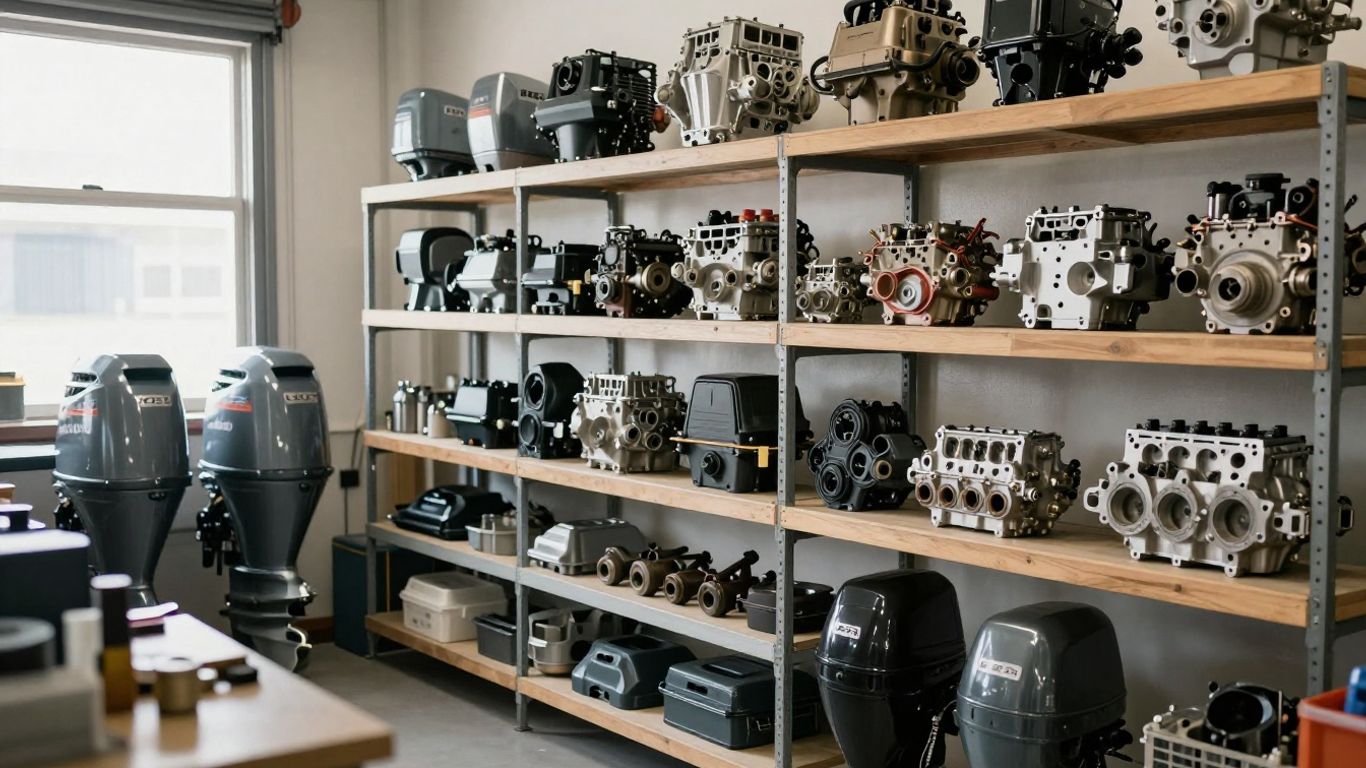
Certified salvage yards are often the most direct source for high-quality engine blocks and hard-to-find housings. These specialists have the equipment to properly drain and store engines, preventing internal corrosion before the parts are ever sold to the public. They typically maintain detailed logs of the removal date and the condition of the motor at the time of intake.
Authorized dealership trade-in programs
Authorized dealerships often participate in manufacturer initiatives, such as the Suzuki Marine 4-4-2 program, which replaces older technology with modern 4-stroke engines. These trade-ins are usually well-maintained, as they were likely under active service contracts until the point of exchange. The table below outlines common factors for evaluating these trade-in units.
| Feature | Status | Impact on Value |
|---|---|---|
| Compression | Verified | High |
| Service Logs | Available | High |
| Cosmetic Wear | Moderate | Low |
| Propeller Condition | Good | Medium |
Selecting a unit from a dealership trade-in often provides stronger peace of mind because the history of the motor is well-documented. Dealers who have serviced the engine themselves can offer a clearer picture of its mechanical health and past maintenance intervals.
Specialized online marine marketplaces
Online marketplaces allow buyers to filter inventory by specific horsepower ranges, from 2.5 to 350HP, making it easier to match an outboard to a particular transom. While these platforms offer vast reach, they require the buyer to perform extra due diligence regarding the shipping and handling history of the engine. Always verify the seller’s history before finalizing any transaction.
Essential pre-purchase checks for used engines
Before spending money on a used engine, a systematic evaluation of its core mechanical systems is non-negotiable. Many hidden issues only surface when the engine is put under load, so testing must be as thorough as current documentation allows. Relying on visual inspections alone is rarely enough to protect your investment in these complex systems.
Analyzing compression test results
Compression testing provides a direct look into the integrity of the piston rings and cylinder walls. Consistent pressure across every cylinder indicates a healthy combustion environment, while significant variance usually signals the need for invasive repairs. Aim to verify these values against the manufacturer’s technical manual to determine if the engine is operating within factory specifications.
Inspecting the lower unit for internal gear debris
The lower unit suffers the most extreme mechanical stress, making its internal health a critical indicator of the engine’s overall abuse. When draining the gear oil, check for any metallic shavings or milky Discoloration that reveals seal failure. High-quality oil extraction is the only baseline for understanding the state of your gear train.
Verifying the engine’s total operating hours
Modern marine systems allow for a direct readout of the engine’s total operating hours via computer diagnostic tools. This data provides an objective look at the engine’s life cycle beyond the cosmetic appearance of the cowling. Avoid engines with unverified hour counts unless they come from a known, reliable local source.
Evaluating the condition of the wiring harnesses
Wiring in marine environments is susceptible to vibration and salt-air corrosion, which can lead to intermittent electrical faults. Take time to inspect the connectors at the junction block and verify the integrity of the insulation along the main cable runs.
The most successful marine mechanical systems depend on wiring pathways that remain free of oxidation and fluid ingress. A single poor connection at the harness can often masquerade as a major computer failure or a degraded sensor, leading to expensive and unnecessary diagnostics.
Careful inspection of the loom ensures that minor corrosion does not balloon into systemic electrical issues once the engine is mounted on your boat.
Economic benefits of choosing recycled Suzuki components
Integrating recycled parts into your maintenance routine provides a practical path to keeping older vessels on the water without the overhead of purchasing entirely new equipment. These components offer a bridge for owners who need specific parts to keep current setups functioning reliably. By utilizing genuine salvage items, owners can maintain high performance standards without the significant expense of current-year motor market pricing.
Cost savings compared to new outboard models
The primary benefit of a recycled component is the immediate reduction in out-of-pocket costs for a repair. Because these parts have already entered the market, the depreciation associated with brand-new equipment is largely avoided by the secondary buyer. This cost advantage allows for more frequent servicing and preventative care on older motor platforms.
Availability of hardware for legacy Suzuki platforms
Many mechanical parts for older motors are no longer manufactured in standard supply chains. Purchasing salvaged items keeps these legacy motors running, protecting the long-term utility of the entire boat. It serves as a necessary solution for boaters who are not yet prepared to transition to newer 4-stroke units but need specific replacements for their current engine block.
Long-term value of OEM-quality salvage parts
Choosing OEM-quality parts from salvaged engines ensures that you are maintaining the precise tolerance levels required for engine longevity. Generic parts will never offer the same fitment guarantees as the original Japanese-manufactured steel or aluminum components. Investing in quality salvage parts preserves the resale value of your boat by keeping the engine assembly as close to the original design as possible.
Best practices for installation and testing
Once you have acquired a recycled engine, the quality of the installation will ultimately determine the longevity of the repair. Even a perfectly maintained motor will degrade rapidly if it is incorrectly mounted or improperly linked to the boat’s existing control systems. Secure, vibration-dampened mounting and clean electrical connections serve as the foundation for a successful long-term upgrade.
Preparing the transom and mounting hardware
Begin by ensuring the transom is structurally sound and cleaned of all previous debris or sealant. Use high-grade marine sealants that are designed to withstand constant submersion while remaining flexible enough for thermal expansion. You can reach out to get expert help to confirm that your specific mounting hardware meets the required torque specs for your motor weight.
Flushing and verifying system compatibility
Before launching, perform a full system flush to confirm that fluids are circulating correctly and that the diagnostic interface communicates with the engine computer. Verify that the fuel lines match the required flow rate and pressure established by the engine’s manual. This step is also a great time to ensure that the Micro Plastics Collecting Device is properly positioned if your system supports it.
Monitoring performance during the initial trials
Take your boat on a shakedown cruise to monitor temperature, RPM, and fuel consumption while remaining near a safe harbor. Listen closely for unusual vibrations and ensure that the trim controls function smoothly throughout their entire range of motion. Tracking these basic metrics during your initial trials provides the reassurance that the engine is ready for more demanding, long-distance excursions.
Conclusion
Successfully sourcing and maintaining recycled engines provides an efficient way to keep your boat operational while embracing sustainable marine practices. By prioritizing genuine parts, thorough pre-purchase testing, and professional installation, you ensure that even a pre-owned engine performs at its peak. Investing time in these steps allows for years of reliable use, proving that recycled marine tech is a smart and environmentally conscious choice for any serious angler or recreational boater.