
Key Takeaways
Sourcing reliable components for your marine engine requires a balance of cost-effectiveness and technical due diligence. Use this guide to navigate the secondary market safely.
- Understand that secondary market pricing fluctuates based on part availability and demand.
- Always prioritize components that show minimal signs of internal fatigue.
- Use official documentation to match specific motor serial numbers correctly.
- Perform physical stress tests on all salvaged metallic or plastic components.
- Maintain diligent records of every installed part for future insurance purposes.
Understanding the benefits and risks of used parts
Choosing pre-owned components is often the most practical solution for keeping older marine engines operational. While saving money is the primary driver, boaters must be aware that hidden faults can lead to expensive repairs or performance instability on the water. Recognizing these factors helps in making an informed decision before committing to a purchase.
The cost-saving advantages for professional and casual boaters
Many boat owners find that buying used hardware allows them to maintain their vessel without the steep markups associated with brand-new equipment. By opting for salvaged components, you can extend the service life of an older engine that might otherwise require a complete replacement, ensuring that your boat remains functional during the peak season without exhausting your maintenance budget.
Identifying the hidden risks of component wear and tear
Even parts that appear to be in good external condition can harbor significant internal issues such as metal fatigue or microscopic cracks. It is crucial to examine the operational history of a donor component, as internal wear and tear often manifests only after the engine has been under load for several hours, potentially leading to catastrophic failures mid-voyage.
Evaluating the manufacturer’s warranty status on used components
Buying pre-owned items generally voids standard manufacturer protection, shifting the entire risk profile onto the purchaser. When evaluating your options, ensure you have a clear understanding of what a parts retailer provides as a substitute for standard coverage, as a lack of formal warranty necessitates a more thorough independent inspection process.
Determining when new OEM parts are the safer long-term investment
Certain hardware, particularly critical cooling systems or timing assemblies, should typically be purchased brand new to avoid the inherent unpredictability of used components. For parts that provide secondary mechanical support, feel free to explore options through established marine engine services to ensure compatibility, but always defer to new factory parts when a failure could compromise vessel safety.
Identifying authentic Suzuki outboard components
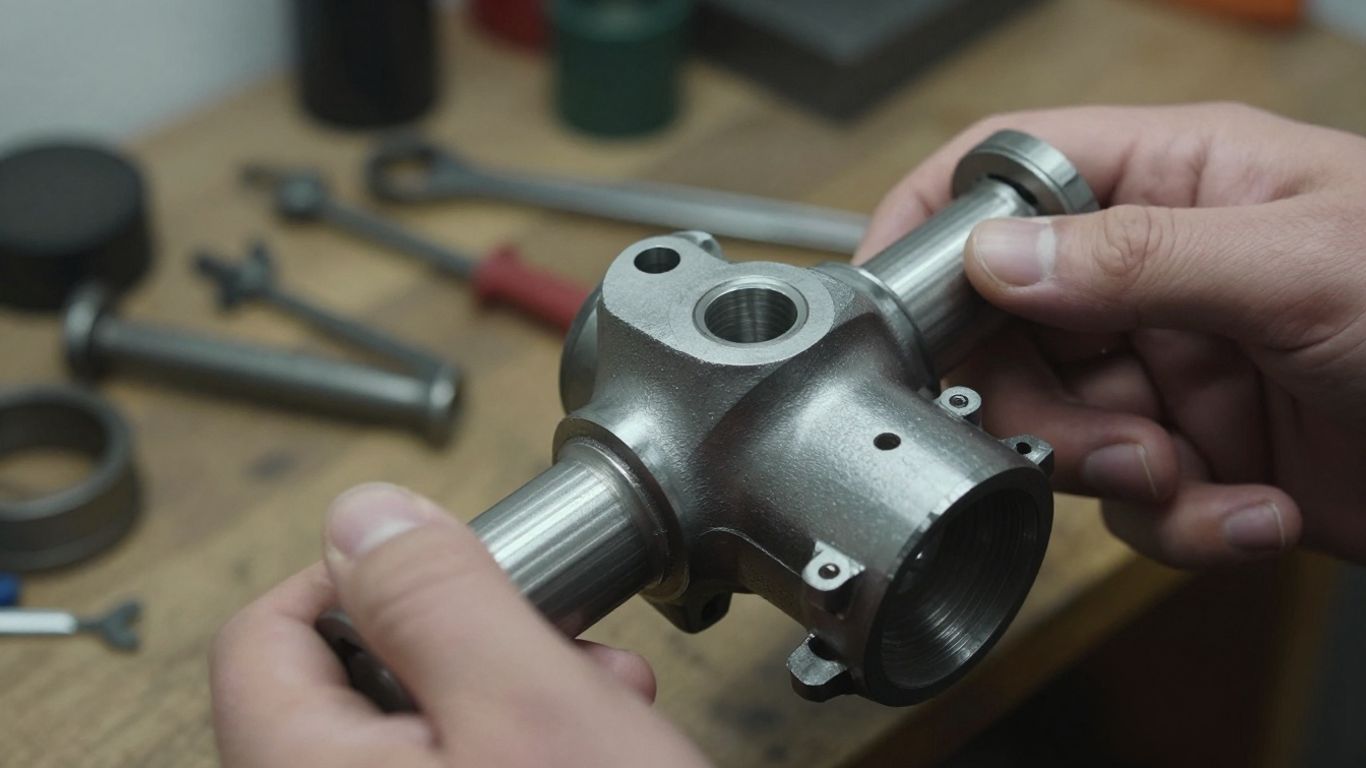
Verifying that a part is manufactured specifically for your engine is essential for maintaining optimal power delivery and fuel efficiency. Genuine Suzuki parts are engineered to meet strict factory tolerances that generic alternatives simply cannot replicate, ensuring that every bolt, gasket, and housing fits perfectly within your existing engine assembly.
Reading Suzuki part numbers and identification tags
Every authentic component usually features a stamped serial number or a laser-etched identification plate that links it directly to specific motor model years. Always confirm that the numbers embossed on the part correspond with the official specifications for your engine, preventing mismatches that could lead to oil leaks or vibrational damage over time.
Differentiating between OEM, aftermarket, and refurbished parts
Distinguishing between original equipment and third-party alternatives is vital because subtle variations in material science can hinder performance. You should carefully review the origin of each item, as factory-spec Suzuki hardware is designed for long-term compatibility, whereas aftermarket alternatives might prioritize lower manufacturing costs over sustained engine durability.
Spotting counterfeit or low-quality imitation parts
Counterfeit components often display poor casting finishes, inconsistent font styles on decals, and thinner metal thicknesses than the official Suzuki versions. In addition to visual inspection, check for authentic branding on the packaging and ensure the assembly weight matches the expected standard for that specific engine block.
Utilizing official Suzuki exploded diagrams for verification
When you are unsure about the orientation or assembly of a specific component, accessing official schematics provided by authorized dealers provides clarity that helps avoid improper installation. These diagrams display the exact placement of fasteners and washers, ensuring your repairs mirror factory standards without relying on guesswork.
Where to source verified second hand Suzuki outboard parts
Finding reputable sellers is the most effective way to secure reliable engine hardware while avoiding the common pitfalls of the salvage market. Focusing on dealers with a track record of professional cleaning and testing will significantly reduce your risk of receiving non-functional equipment.
Selecting trusted marine salvage yards and outlet dealers
Established salvage yards often maintain high-quality inventories because they specialize in the recovery and preparation of usable marine hardware. These operations typically clean and audit every item before listing it, providing a higher level of assurance than private sales found on basic auction sites.
Navigating online marketplaces and specialized user forums
Digital marketplaces are excellent for finding rare or discontinued parts, but they require a sharp eye for detail and the ability to ask the right questions about the item’s previous environment. Engaging with active communities of enthusiasts can reveal valuable insights regarding which sellers are trustworthy and which engines have been salvaged under ideal conditions.
Vetting independent marine mechanics for donor engine parts
Professional mechanics are a secondary, yet often overlooked, source for high-quality used components that come off engines during major overhauls or repowers. Because these professionals understand the exact load and usage history of the engine, their donor parts represent a more transparent purchase than anonymous items found in generic online shops.
Assessing the reputation of specialized online marine parts retailers
| Vendor Type | Verification Level | Reliability Rating |
|---|---|---|
| Authorized Dealer | High | Excellent |
| Specialized Salvage | Medium-High | Good |
| Peer-to-Peer | Low | Variable |
Selecting a retailer requires more than just checking prices, as the reputation of their customer support team often determines how they handle defects or shipping issues. As highlighted in the table above, sourcing through specialized marine suppliers provides a much safer foundation for your engine maintenance compared to unverified private sales.
How to inspect used parts before you buy
Performing a physical, deep-dive examination of a part before integration is the final defense against mechanical failure or poor performance. Even seemingly sturdy items require detailed scrutiny to identify potential fatigue points that are not always visible during a quick visual survey.
Checking metallic components for corrosion and stress fractures
Saltwater exposure is the primary enemy of any outboard component, so you must carefully inspect all aluminum and steel surfaces for signs of pitting or deep flaking. You can often detect underlying weakness by using a light tap to listen for dull, hollow sounds that indicate severe oxidation or thin spots within the casting.
Testing electrical hardware and sensor functionality
Electrical sensors and wiring harnesses should be evaluated with a multimeter to ensure that internal resistances remain within the range recommended by standard factory specifications. Corroded pins and brittle wire insulation are common vulnerabilities in used electrical kits, so conduct continuity tests before finalizing your purchase.
When inspecting plastic housing or brittle components, remember that prolonged exposure to high engine heat and environmental UV rays significantly shortens the lifespan of synthetic polymers compared to raw metallic components.
Analyzing these subtle signs of aging prevents the frustration of installing a sensor only to find it intermittently failing during your next outing. By testing the electrical path continuity and checking the structural integrity of housings, you ensure that the salvaged electronics will perform reliably under the heat of a running motor.
Analyzing the condition of seals, gaskets, and plastic housings
Rubber seals on used parts tend to harden or dry out over time, leading to leaks that are often difficult to diagnose once the part is fully submerged. Check for elasticity by pressing the material with a clean pick; if it snaps back, it is likely still serviceable, but anything that leaves an indentation or cracks should be treated as a candidate for replacement.
Verifying the operation of internal moving parts if possible
Moving components like water pump impellers should never be purchased used, but internal shift actuators or linkage assemblies must be checked for smooth, catch-free movement. If you can manually operate the component, do so several times to ensure that the tension feels uniform and that there are no abnormal clicking sounds.
Installation and testing tips for second hand parts
Once you have acquired reliable hardware, the process of documenting every installation step ensures consistent maintenance cycles on your vessel. Proper preparation of the mounting surfaces is a critical factor that many DIY mechanics overlook during the transition from a donor engine to your primary unit.
Necessary tools for specialized Suzuki outboard assembly
Using the correct torque wrench and proprietary pullers is essential to prevent stripping soft bolt threads or marring delicate flange surfaces. Ensure your workspace is equipped with the specific metric sockets and marine-grade lubricants recommended for your engine model to achieve a factory-standard assembly.
Managing seals and torque specifications for leak prevention
When installing pre-owned parts, always use a fresh sealant designed for underwater applications to bridge any tiny imperfections on the pairing surfaces. Following the tightening sequence described in your maintenance manual is the best way to ensure uniform pressure across all gaskets, which minimizes the likelihood of oil or water leaks.
Running diagnostic tests after component integration
After successfully mounting your part, perform a stationary diagnostic run in a test tank to observe for thermal shifts or unusual vibrations that might indicate poor seating. Monitoring the engine temperatures and power delivery at low, mid, and high RPM ranges allows you to confirm that the new component is operating in harmony with the rest of the mechanical system.
Establishing a maintenance schedule for your reconditioned engine
Because you are integrating older elements into your current system, tighten your next service interval to monitor how the salvaged item holds up under real-world usage. Keeping a detailed log of when each used part was installed helps you track its effective life and predict when future replacements or professional inspections might be required.
Legal and safety considerations
Operating a boat with self-maintained engines carries a responsibility toward both environmental conservation and the safety of all passengers. Adhering to local marine regulations ensures that your DIY projects remain compliant while also safeguarding the long-term integrity of your marine equipment.
Adhering to environmental disposal rules for old engine components
Properly discarding old lubricants, contaminated seals, and metallic scraps is a vital part of outboard engine management. Take advantage of established recycling centers for treated metals and fluids, as these facilities are equipped to handle hazardous residues that can otherwise cause significant damage to delicate coastal environments.
Understanding liability when performing your own engine repairs
It is important to recognize that doing your own engine work places total responsibility for the vessel’s seaworthiness on your shoulders. Always perform thorough safety checks after any repair, as failing to correctly tighten a critical linkage or seal could potentially cause an engine failure at a moment when you most depend on your boat for safe transport.
Documenting parts for future resale or insurance purposes
Maintaining a written log that tracks the source, purchase date, and condition of every used component serves as proof of diligent maintenance for future buyers. Should you ever need to file an insurance claim or sell the vessel, having a comprehensive service history adds peace of mind to the transaction and highlights your careful oversight of the machine.
Managing the risks of off-shore component failure
Mitigating the possibility of a total shutdown requires you to carry a basic kit of emergency mechanical spares and the necessary tools for simple, on-the-water repairs. Being prepared for common failure points—like ignition or fuel delivery issues—ensures that a minor faulty component does not turn a pleasant day on the water into a significant safety issue.
Conclusion
Successfully managing your engine with second hand Suzuki outboard parts requires a blend of cautious sourcing, meticulous inspection, and disciplined maintenance. By focusing on quality over convenience and ensuring every piece is verified for compatibility, you can maintain your vessel’s performance while enjoying the substantial cost benefits of the secondary market.