
Key Takeaways
Sourcing high-quality components for your motorcycle maintenance is a straightforward process when you understand the market mechanics. These five key points summarize our approach to finding the right parts for your machine.
- Selecting recycled parts significantly reduces total ownership costs for older motorcycles.
- Proper verification of part numbers and diagrams prevents mismatching components during repair.
- Inspecting structural integrity is necessary to ensure safety when salvaging chassis components.
- Direct communication with specialized sellers helps clarify the history and condition of potential parts.
- Professional installation techniques and fresh hardware maintain reliability throughout the service life of the repair.
Understanding why used Suzuki parts are a smart choice
Choosing recycled components allows riders to keep their motorcycles on the road for a fraction of the cost of brand-new alternatives. This approach is practical for daily commuters and project enthusiasts alike who want to manage expenses while maintaining performance. Many riders find that selecting quality components from reliable salvage sources, such as those provided by Just Suzuki, is a sensible path forward.
Significant cost savings compared to OEM
When purchasing parts directly from the manufacturer, the invoices can quickly escalate, especially for performance-critical items. Finding the same item in a salvage market often provides the same utility at a much lower price point, allowing you to invest your funds elsewhere.
| Part Category | Typical New Price | Typical Used Price | Potential Savings |
|---|---|---|---|
| Engine covers | $250 | $80 | 68% |
| Brake calipers | $450 | $150 | 66% |
| Swingarm units | $600 | $200 | 67% |
By comparing these costs, it becomes clear that selecting pre-owned parts helps you stretch your maintenance budget significantly further. Many enthusiasts find that the value proposition is unmatched compared to buying new parts.
Availability for discontinued or vintage models
Finding components for motorcycles that have been out of production for years is a difficult task. Fortunately, salvage yards specialize in housing parts from these older machines that are otherwise impossible to source, providing a lifeline for classic restoration projects.
Environmental sustainability in motorcycle maintenance
Utilizing existing parts creates a circular economy that prevents usable hardware from ending up in landfill sites prematurely. This focus on reuse reduces the energy burden associated with manufacturing new aluminum, steel, and plastic components for older vehicle fleets.
How to verify compatibility for your specific model
Confirming that a selection matches your vehicle before hitting buy is the most important step in the entire process. Without careful cross-referencing, you risk wasting time and money on components that simply will not attach correctly. You can often learn more about part interchangeability through resources at contact support provided by industry professionals.
Using part numbers versus model year ranges
Manufacturers issue specific codes for every item which serve as the most accurate identifier for your purchase. Relying on year ranges can sometimes be misleading, as mid-cycle engine changes or trim updates can result in parts that look identical but differ internally.
Consulting online microfiche diagrams
Accessing exploded-view drawings allows you to visualize exactly how components interlock within your engine or frame. These visual aids are essential when you need to confirm that a specific bracket or sensor belongs to your exact iteration of the motorcycle.
Relying on diagrams provides the visual confirmation needed to ensure that the internal hardware matches your bike perfectly, preventing frustration during the assembly phases of your maintenance projects.
By cross-referencing these detailed technical diagrams with the parts in your possession, you eliminate guesswork. This thorough inspection process is exactly what experienced mechanics recommend to avoid costly mistakes regarding fitment or electrical connection points.
Identifying inter-model part swaps
Engineers at companies like Just Suzuki often share design features across several different platforms of motorcycles. Learning which models share common components gives you access to a significantly wider inventory of available parts, which is especially helpful when your specific model is rare.
Key indicators of part health and quality
Evaluating the condition of any used component is vital, as not all salvaged parts are created equal. Focus your attention on telltale physical signs of stress and failure to determine if a part will offer long-term service or lead to issues later.
Inspecting structural integrity of chassis components
Check every mounting point and weld area for microscopic cracks or strange discoloration that might hint at previous trauma. Frame pieces and suspension links take immense force, so they must be completely free of bends or warping.
Checking wear patterns on electrical and engine parts
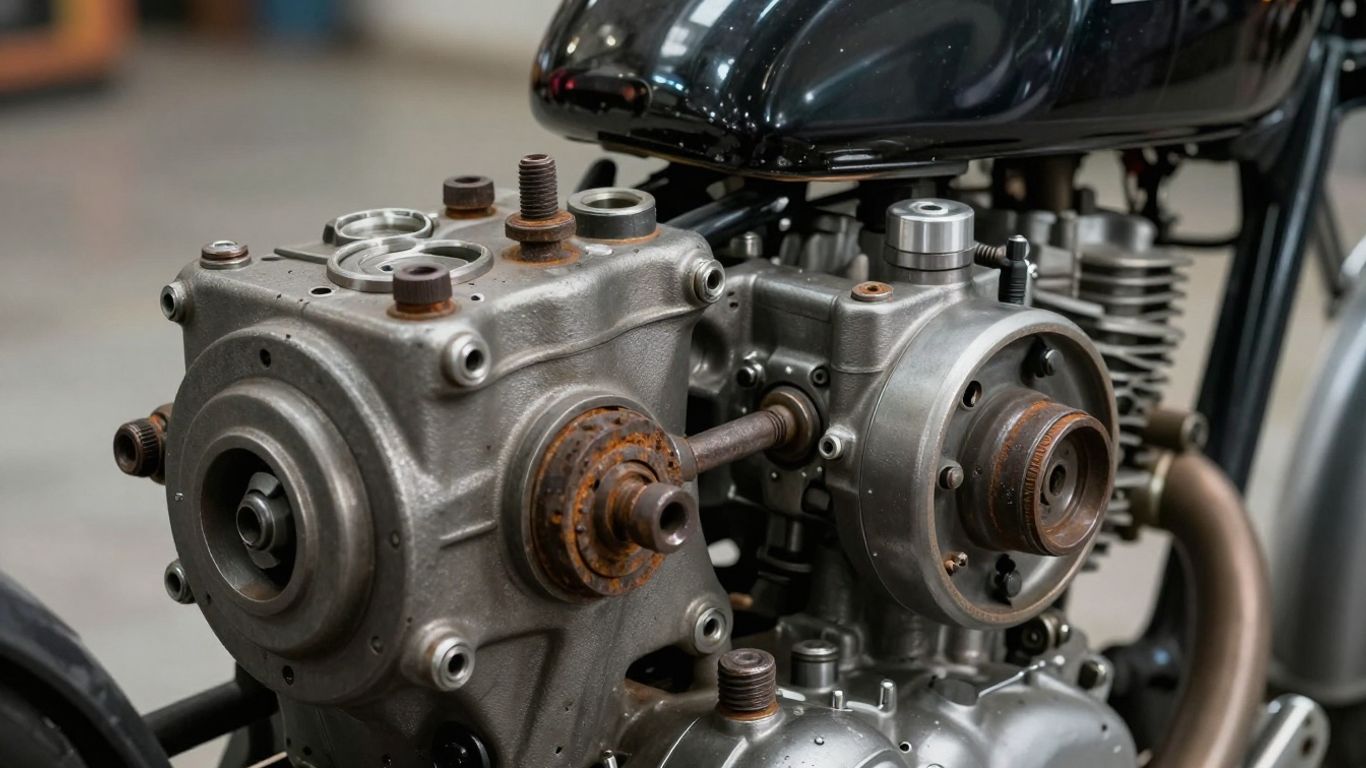
Inspect cables and connections for brittle insulation or signs of corrosion, which are common in electrical harnesses that have been exposed to the elements. For engine internal parts, examine the wear surfaces to ensure they match the stated condition of the donor motorcycle.
Evaluating the condition of cosmetic plastics and trim
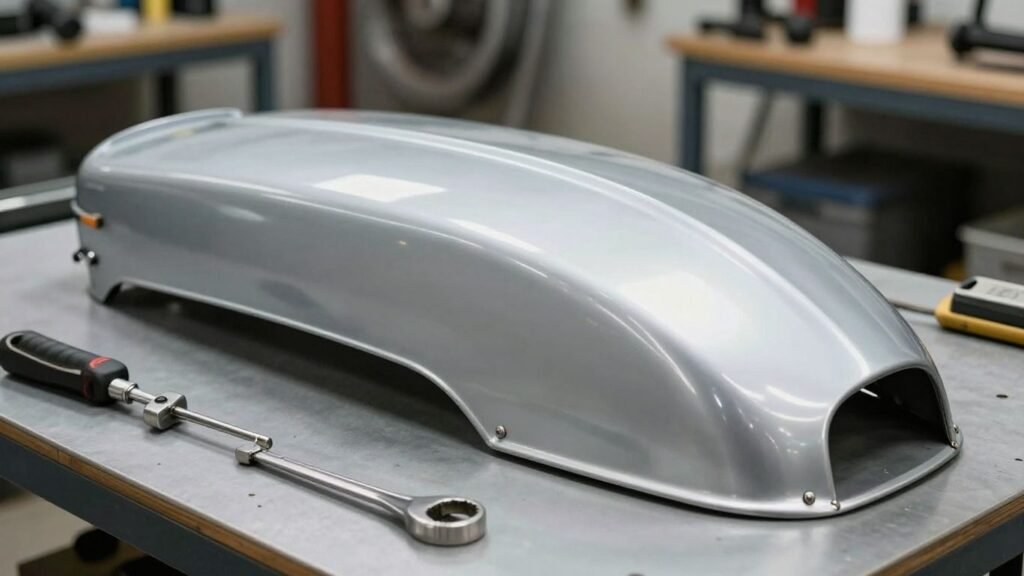
Fairings and bodywork are prone to UV damage and stress fractures around bolt holes, making them particularly sensitive components to source used. Look for uniform finishes and confirm that all mounting tabs are intact before committing to a purchase.
Navigating the market for reliable salvage and used parts
Locating a trustworthy source is the secret to a successful experience, as the variety of sellers online is vast. You need to focus on professionals who document their inventory thoroughly and prioritize clear communication regarding part history.
Vetting reputable salvage yards and sellers
Look for businesses that operate as professional salvage operations rather than individual sellers without a established track record. Reputable companies that work with brands like Just Suzuki usually provide transparent information about their testing processes.
Reading seller feedback and condition reports
Customer reviews offer insight into the quality of communication and the accuracy of descriptions provided by the seller. Pay close attention to reports mentioning the speed of shipping and the adequacy of packaging, as these indicate professionalism.
Understanding return policies and warranties
Before you complete your purchase, clarify what protections are in place if the part arrives significantly different from the description. A clear warranty confirms that the supplier stands behind the functionality and quality of their recycled parts.
Essential questions to ask before you buy
Engaging the seller in direct conversation allows you to vet their knowledge and concern for your technical requirements. Use this opportunity to dig deeper into the origins of the motorcycle the parts were harvested from.
Inquiring about accident history of the donor bike
If the donor bike suffered a severe collision, there is a risk that seemingly unrelated parts absorbed shock and sustained hidden damage. Asking about the circumstances of the salvage helps you avoid components that might have been compromised by severe impact forces.
Verifying the mileage of the donor engine or drivetrain
Engine parts, transmissions, and final drive components have a predictable service life that is directly tied to the miles traveled. Knowing the approximate usage frequency and mileage of the donor motorcycle gives you a realistic expectation of the remaining durability of the used part.
Requesting high-resolution images of specific damage
Never rely solely on stock photos that do not depict the actual wear or damage on the specific unit you are buying. Requesting close-up images of potential trouble spots ensures that you are comfortable with the cosmetic or structural condition of the item upon arrival.
Best practices for installing used components
Integrating used parts successfully requires the same care as one would apply to brand-new components during assembly. Proper preparation ensures that the components integrate seamlessly into your current build without causing further complications.
Cleaning and refurbishing parts before assembly
Removing dirt, road grime, and old lubricants allows for a proper inspection of the surface condition and ensures that moving parts operate smoothly. A light refurbishment often makes used components look and function as if they were fresh from the factory.
Replacing seals, gaskets, and hardware as a precaution
Installing aged o-rings or reused hardware is a leading cause of leaks and mechanical failures in older motorcycles. Always keep a set of fresh consumable items on hand to ensure that the interfaces remain tight and leak-free after the repair is complete.
Performing safety checks and test rides post-installation
Following any significant maintenance, you must verify that every system functions under controlled conditions before heading out for a longer ride. Monitor the motorcycle closely for any unusual vibration, noise, or fluid loss to confirm that the installation was successful.
Conclusion
Buying used Suzuki motorcycle parts is a highly efficient way to maintain and restore your machine, provided you invest the effort into verifying part compatibility and physical quality. By leaning on established salvage sources and following standard installation hygiene, you can keep your motorcycle operating at its peak potential while respecting your budget and the environment.
Contact Us
For assistance with your next project or to discuss available components for your specific motorcycle model, please reach out to our dedicated support team. We provide wide-ranging support across the country and are ready to help you navigate our inventory to find exactly what you need for a successful repair.