
Key Takeaways
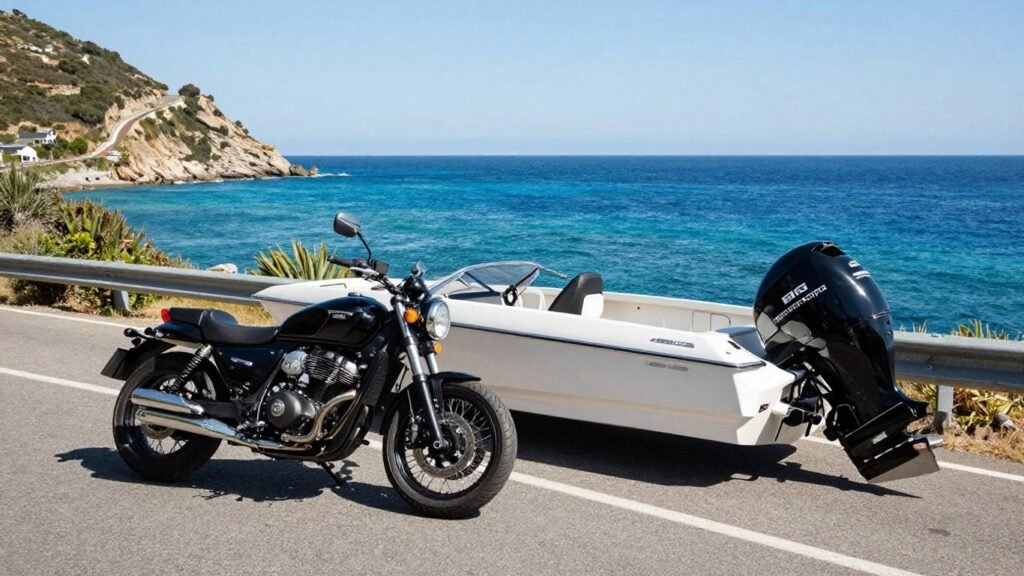
Suzuki demonstrates a unique engineering convergence, transferring technical knowledge between high-revving motorcycle engines and high-torque marine outboard systems effectively.
- The company transitioned from textile weaving machinery to global leadership in powersports and marine propulsion.
- Advanced combustion control and thermal management define the current generation of their power plants.
- Track-proven technology like the GSX-R line informs the development of accessible adventure motorcycles.
- Marine innovations focus on durability, balance, and efficiency through specific mechanical configurations.
- Maintaining long-term performance requires adherence to specific service intervals and fluid standards.
The history of Suzuki motorcycle & marine excellence
Suzuki established its engineering foundation through a commitment to precision manufacturing early in the 20th century. This corporate philosophy prioritized mechanical simplicity coupled with durable performance, a standard that eventually directed their path away from textile machinery toward the complex world of internal combustion engines.
Roots in weaving looms to internal combustion
The shift toward automotive production highlighted a keen ability to adapt intricate loom mechanics into functional engine components. By refining the tolerances required for high-speed weaving, the firm found it could translate that expertise into the development of reliable two-stroke and subsequently four-stroke motorcycle engines.
Expansion into marine outboard engines
Following success in land-based transportation, the move to water represented a natural evolution of their propulsion competence. Their entry into the marine segment utilized their background in lightweight motorcycle engines, allowing for the creation of outboards characterized by superior weight-to-power ratios that redefined outboard utility.
Evolutionary milestones in sports bikes
Racing remains the crucible for the company to refine high-velocity engine performance. Historical successes on international circuits provided the telemetry needed to bridge the gap between prototype designs and mass-produced models, solidifying their reputation as a premier high-performance manufacturer.
Understanding Suzuki engine technology
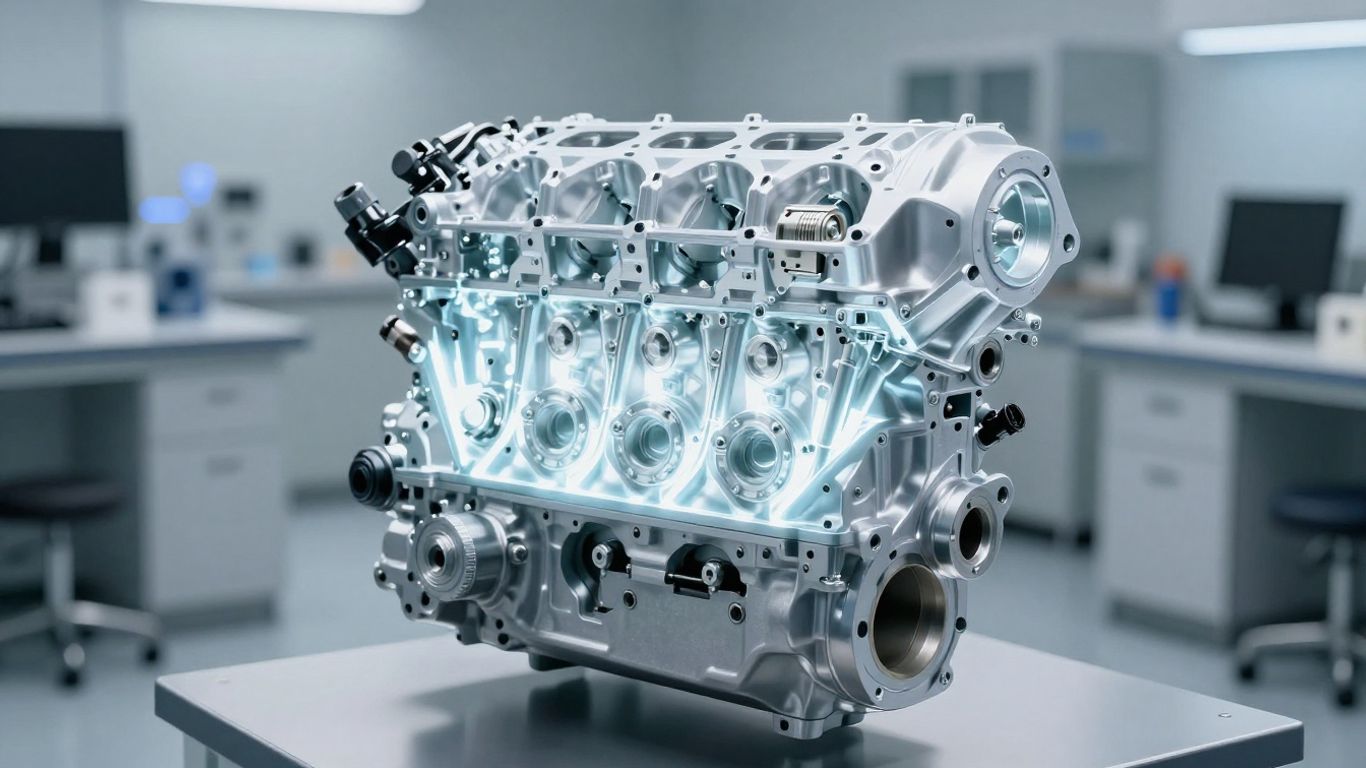
The current generation of motors relies on a balance of electronic intelligence and mechanical robustness. Engineering teams integrate sophisticated systems to manage power delivery while respecting environmental standards, ensuring that power never comes at the expense of longevity.
Variable valve timing in street motorcycles
Street motorcycles utilize variable timing to ensure a broad, accessible power band that benefits everyday riders. By shifting valve event timing based on engine load, the motorcycles minimize the compromise between low-end pull and top-end speed.
Lean burn control systems in marine outboards
Marine outboards often operate in conditions where fuel economy determines range and operational cost. Their fuel management technologies calculate precise air-to-fuel ratios to run engines in a lean state during cruising, effectively maximizing fuel efficiency under load without sacrificing the necessary power for quick acceleration when it is required.
Thermal efficiency and heat dissipation designs
Managing internal heat is critical for engines operating at sustained high outputs. Engineers utilize specialized cooling galleries and heat-resistant alloys to ensure longevity, which you can investigate through the official dealer support channels to see how these parts are sourced and managed.
Performance features of current Suzuki motorcycles
Modern motorcycle design emphasizes rider engagement through intuitive, well-balanced machine interfaces. By combining race-derived structural stiffness with sophisticated suspension geometry, the brand manages to create motorcycles that feel connected to the road while remaining accessible for various skill sets.
The GSX-R heritage and track performance
The GSX-R philosophy centers on a lightweight chassis paired with a high-revving engine that responds instantaneously to rider input. This architecture allows the bike to maintain stability through corners, providing a foundation for consistent lap times and predictable handling at any speed.
Adventure touring capabilities of the V-Strom series
Touring requires a machine that can handle long highway miles while remaining agile on light off-road surfaces. The V-Strom series exemplifies this versatility by adjusting power delivery to suit varied terrain, allowing riders to maintain comfort over long distances.
Ergonomics and rider comfort across model ranges
Designers focus heavily on the tactical interface between rider and machine to reduce fatigue. To illustrate the common ergonomic adjustments used to achieve this rider-focused design, consider the following layout:
| Feature | Purpose | Adjustment Type |
|---|---|---|
| Handlebar Height | Posture Alignment | Multi-position riser |
| Footpeg Location | Leg Room | Adjustable mount |
| Seat Shaping | Surface Pressure | Contoured foam |
This ergonomic flexibility ensures that riders of varying heights find a neutral position that aids in controlling the motorcycle throughout longer trips.
Innovations in Suzuki marine propulsion systems
Propulsion on the water requires specialized engineering to combat the harsh, corrosive effects of salt exposure while maintaining reliable thrust. Suzuki marine systems leverage high-output designs that minimize weight, ensuring that boat hulls remain responsive and balanced on the water.
Multi-stage induction for high-output power
High-output outboards require significant air intake to maintain power at high rotations per minute. Multi-stage induction systems provide the necessary oxygen for combustion at specific intervals, ensuring strong, consistent power delivery across the entire throttle range.
Offset driveshaft designs for balance and space
The implementation of an offset driveshaft shifts the center of gravity closer to the boat transom to enhance stability and reduce vibration. By repositioning the center of gravity, the engineers successfully decrease the required mounting footprint within the engine casing.
This structural change improves the center of gravity for the entire vessel, creating a more stable ride while simultaneously allowing the engine housing to remain as compact as possible.
Corrosion protection and environmental durability
Salt water is notoriously abrasive, requiring advanced surface treatments for every internal and external metal component. The brand employs proprietary coating processes that guard against oxidation, ensuring that critical connections and structural elements maintain their integrity over thousands of hours of operation.
Maintenance and care for your Suzuki vehicles
Regular, planned maintenance is the single most important factor in keeping machines running past their factory service life. By focusing on critical fluid changes and electronic health, owners can prevent many common issues that arise from neglect.
Seasonal service intervals for outboards
Marine equipment works best when serviced ahead of seasonal changes rather than during periods of heavy use. Checking seals, water pumps, and sacrificial anodes ensures the outboard is prepared to withstand the corrosive environment of a full season before the first launch takes place.
Engine oil requirements for high-performance motorcycles
High-performance power plants require specific viscosity and additive packages that standard automotive oils cannot mimic. Using the manufacturer-recommended oil ensures that internal friction remains low, which is vital for the longevity of high-revving clutches and gearboxes nested within the engine case.
Troubleshooting common electronic fuel injection issues
Electronic fuel injection (EFI) problems often manifest as minor stumbling during acceleration or irregular idle speeds. These symptoms can frequently be resolved by checking sensor connections and monitoring fuel pressure rather than assuming major mechanical failure, keeping the machine reliable and functional.
Why choose Suzuki for both road and water
Selecting a brand that produces both motorcycles and marine outboards offers distinct advantages in engineering philosophy. Unified design principles and a deep commitment to parts support mean that owners benefit from a network that understands the performance requirements of both land and sea.
Parts availability and supply chain reliability
Maintaining a fleet of vehicles requires consistent access to replacement parts to keep everything operational. The extensive supply chain ensures that owners spend less time waiting for components and more time on the road or water.
Unified brand engineering philosophies
Shared knowledge allows engineers to apply successful thermal management or fuel efficiency strategies across different product divisions. This internal collaboration means that innovations tested on the track can eventually improve the efficiency and reliability of marine outboards.
Resale value and market positioning
Market value remains strong when a product demonstrates consistent reliability over decades of service. Because the products possess long lifespans, they retain significant appeal in the secondary market, providing owners with a solid investment that holds utility for many years.
Conclusion
Suzuki Motorcycle & Marine (If applicable) products offer a reliable blend of engineering precision and performance, making them a top choice for those who value longevity and track-proven technology across both automotive and marine applications.
Contact Us for Service
Ready to get your machine into top condition? Reach out to our expert team for dedicated maintenance support and ensure your Suzuki remains performing exactly as it should.