
Key Takeaways
Finding the right vehicle requires careful attention to specific mechanical details to ensure long-term value and reliability for your needs. This guide covers how to assess the condition and history of a pre-owned van to make an informed decision.
- Understanding the mechanical design of sliding door systems.
- Locating trustworthy sellers and inspecting vehicle history reports.
- Performing comprehensive checks on engine and chassis components.
- Evaluating maintenance needs and potential repair costs for older units.
- Navigating the negotiation process with accurate pricing data.
Understanding the Suzuki APV sliding door configuration
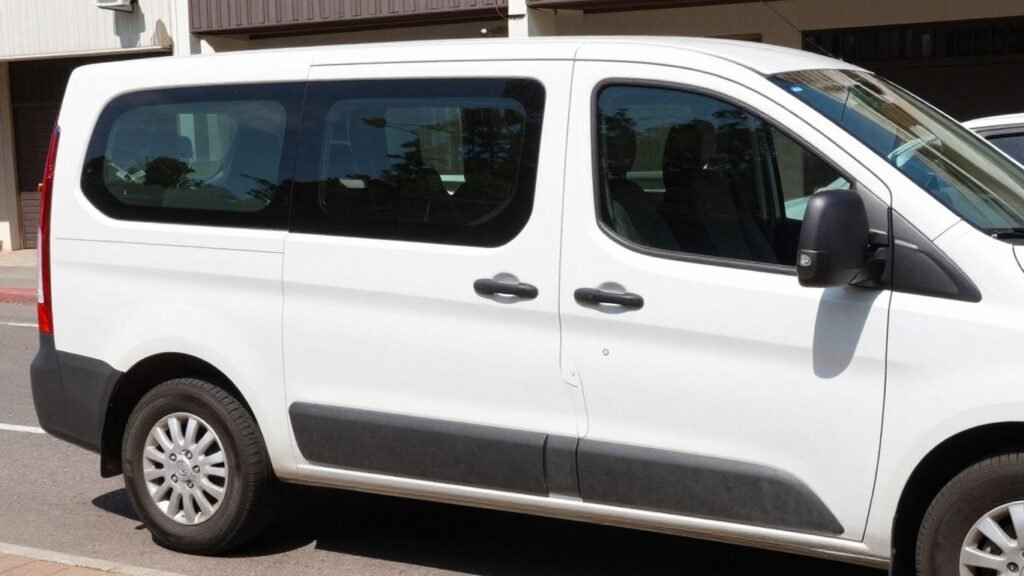
The configuration of side entry points on this vehicle is designed to maximize access in confined spaces. Owners often prefer this layout for its practicality in dense urban environments where standard swing doors might be restrictive. Establishing a clear understanding of these mechanics is the first step when considering a Suzuki APV sliding doors second hand purchase.
Historical context of the APV sliding door models
The lineage of these vans tracks evolution in space-efficiency and internal layout planning. Engineers prioritized a flat floor and a boxy silhouette to allow for maximum cargo and passenger capacity while keeping the vehicle footprint compact. Over the years, the movement systems for the side doors were improved to offer smoother operation and increased durability in high-frequency use scenarios.
Differences between panel van and passenger van variants
Panel van versions typically prioritize raw storage space by omitting rear seating, creating a continuous cargo floor area. In contrast, passenger variants offer refined trim levels and seating configurations meant for family transport or shuttle services. Buyers need to determine if their primary end-use requires a basic utility setup or a finished cabin environment before committing to a specific listing.
Benefits of sliding doors for urban transport and loading
Sliding systems provide a clear advantage in tight parking spaces where they do not swing outward into traffic or adjacent obstacles. This design permits rapid loading of bulk items directly from the curb, moving objects in and out with less effort. Because the doors slide parallel to the body, they remain stable even when the vehicle is parked on an incline.
Where to find reliable second-hand Suzuki APV units
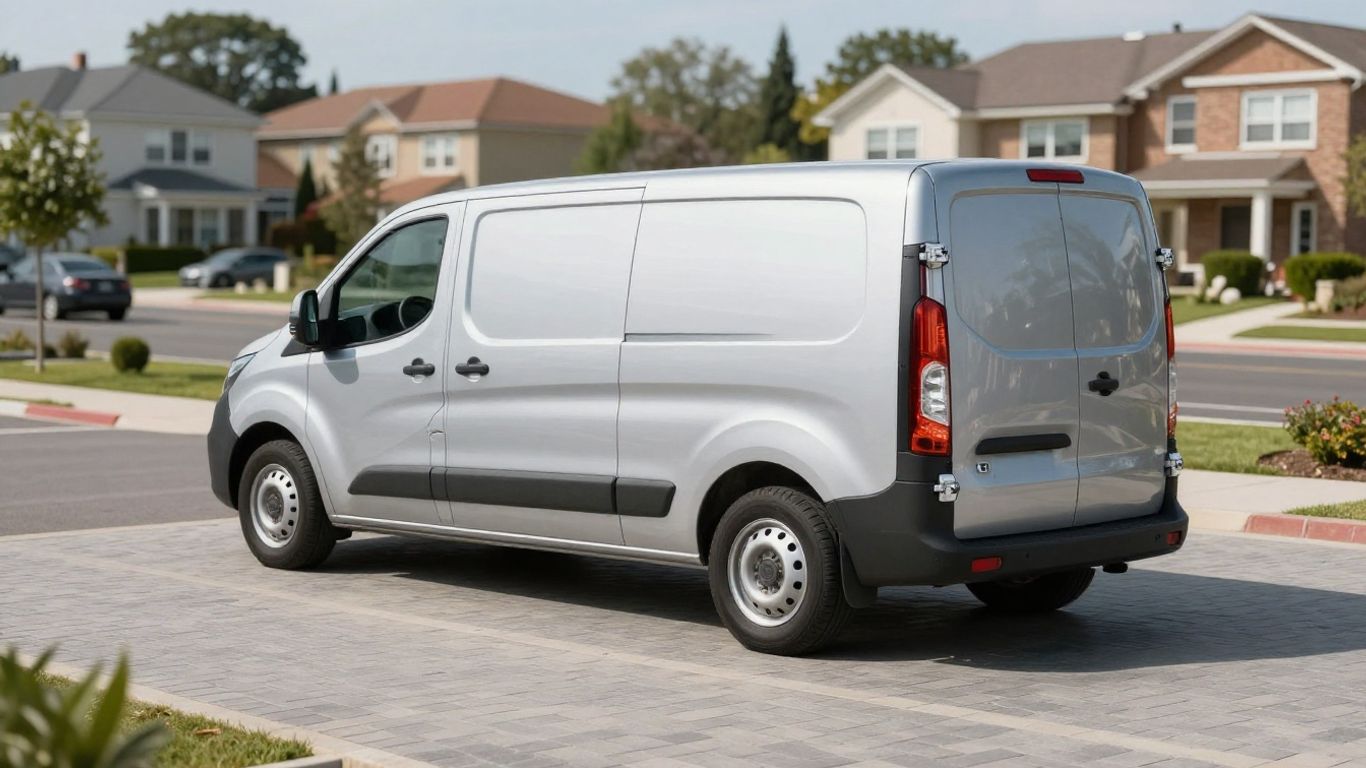
Locating a high-quality unit involves scanning both digital platforms and local dealer inventories for the best results. Consistency in maintenance is usually the most important indicator of a vehicle’s current state. Engaging with our team can provide clarity on available options and service history for these specific builds.
Navigating online auto marketplaces effectively
Digital advertising platforms allow for filtering by year, mileage, and condition to narrow down search parameters quickly. When reviewing these listings, look for clear images of the interior and underbody to spot any potential issues before traveling for an inspection. Cross-referencing seller data against historical sales trends helps identify if an asking price aligns with the current market valuation.
Benefits of buying from authorized dealership trade-ins
Trade-ins sourced directly through established dealers often undergo a standard evaluation process before reaching the lot. These vehicles sometimes come with documented paperwork indicating past service intervals and recent repairs performed on-site. This adds a layer of predictability for the buyer, reducing the mystery often associated with private party sales.
Local classifieds versus international import platforms
Local listings enable personal interaction with the seller, which provides immediate insight into how the car was treated during its time with the current owner. Conversely, international platforms may offer a wider range of trim levels or configurations not commonly found in the domestic market. Consider the logistical costs and potential lack of support when selecting an import over a local source.
Essential mechanical checks for the sliding door mechanism
Operating the side doors several times allows you to hear and feel any resistance that might suggest dirt buildup or component failure. Smooth movement is critical for preventing jams and ensuring the exterior seal maintains a tight fit against the cabin body. This is a common service area where small adjustments early on prevent structural issues later.
Inspecting tracks and rollers for wear
Tracks and rollers bear the weight of the assembly and must remain free of debris to function correctly. You can often see metal shavings or uneven groove wearing by running a finger along the track surface during your inspection. If the door sounds shaky during operation, the roller assembly likely needs cleaning or replacement to restore stability.
Testing the latch and locking assembly
| Observation | Status | Action Needed |
|---|---|---|
| Smooth locking engagement | Good | None |
| Delayed or stuck latches | Warning | Clean grease |
| Loose alignment at frame | Poor | Adjust latch |
Verfying the engagement of the lock ensures the door remains secure during transit or when the car is parked unattended. If the latch requires excess force to click into place, it is a sign that the striker plate has shifted over time due to wear. Smooth operation here ensures the doors won’t accidentally rattle or fail to seal perfectly in rainy conditions.
Identifying signs of water damage in door seals
Rubber seals around the door frame should be pliable and free of cracking. Brittle or detached seals permit excessive wind noise and water ingress, which can lead to corrosion in the door sill over long periods. Gently inspecting the bottom edge of the door for rust spots or bubbling paint highlights where moisture exposure has been persistent.
Evaluating the overall condition of a used APV
Engine health and chassis integrity are vital for vehicles often used in high-load capacities. Taking the van for a thorough test drive confirms how the powertrain handles demand and whether the transmission shifts with poise. A professional inspection by a trusted mechanic often reveals hidden wear that isn’t immediately obvious during a casual walkaround.
Assessing engine performance and idle stability
A stable idle should be smooth and consistent without erratic fluctuations or sudden drops in RPM after the car reaches operating temperature. Listen for any tapping or knocking sounds that suggest internal components are worn or lack sufficient lubrication. The Suzuki APV engine offers reliable performance when serviced regularly, so ensure the oil records reflect a consistent maintenance schedule.
Checking suspension components for heavy load wear
The suspension system must handle varying passenger and cargo weights across its lifespan. When worn, you may feel excessive swaying during corners or hear clunking noises over bumps, indicating that bushings and shocks require immediate attention to maintain proper road holding.
Test how the van reacts to minor road imperfections during your drive to identify any lingering tension in the linkages. If the steering feels vague or the nose dives sharply when braking, this typically points to tired shock absorbers that are nearing the end of their functional cycle.
Verifying the integrity of the chassis and bodywork
Inspect the underside of the frame for signs of impact or long-standing corrosion, particularly around the mounting points for the suspension. Even if the exterior body panels look clean, structural integrity starts with a solid frame that has not been compromised by previous heavy collisions or constant exposure to harsh salts. A straight body line indicates minor accidents are less likely to have affected the main structural skeleton.
Tips for negotiating and finalizing the purchase
Negotiation should be rooted in facts rather than speculation about potential costs. Use your findings from pre-purchase inspections and service document reviews to justify your offer to the seller. Being calm and transparent about your observations helps build trust, making it easier to discuss a price that reflects the true state of the vehicle.
Analyzing market pricing based on vehicle year and mileage
Researching prices for similar models in your region creates a realistic baseline for your negotiations. High mileage does not necessarily suggest a poor buy, provided there is proof of major component replacement or a very strict service history. Adjust your offer downward if you anticipate immediate costs for tires, brakes, or upcoming major service intervals to account for the necessary investment.
Interpreting the vehicle history report correctly
History reports offer a look into title status and past insurance claims, which can reveal if the car was involved in significant incidents. Check for gaps in service records or frequent changes in ownership, as these can sometimes signal a history of mechanical frustration. A reputable report is essential for confirming the odometer reading matches the documented history, safeguarding against fraud.
Questions to ask the previous owner about maintenance history
Asking about specific habits, such as whether the vehicle was primarily used for heavy towing or stop-and-go city driving, gives context to the current state of wear. Inquire about the brand of oil used and if they have receipts for any recent cooling system repairs or suspension work. Honesty regarding the vehicle’s past helps you anticipate which parts might need your attention in the upcoming months.
Maintenance and repair costs for long-term ownership
Owning an older van means managing an aging group of mechanical parts that will eventually require refreshing. Proactive care significantly reduces the chance of spontaneous failure while you are out on the road. Understanding the balance between current needs and future costs is key to successful long-term ownership.
Sourcing genuine versus aftermarket replacement parts
Genuine parts are engineered to meet original equipment standards and often provide the best fit and performance for critical systems. While aftermarket options can be a cost-effective choice for non-structural fixes, avoid choosing low-quality components for engine or transmission repairs. Researching reputable manufacturers for parts ensures that the Suzuki APV remains dependable for your daily tasks over the long haul.
Routine servicing checklists for the cooling system
Proper cooling system care keeps the Suzuki APV engine running smoothly by managing heat exchange efficiency under heavy loads. Check for coolant leaks at the radiator and hoses, and ensure the thermostat is operating within specified ranges. Replacing the coolant at the manufacturer-suggested interval prevents corrosion and scaling inside the cooling channels, keeping operating temperatures steady.
Common maintenance issues specific to the APV platform
Familiarity with the common wear points allows you to monitor the right areas during every routine oil change. Watch for signs of wear in the alternator or battery connections, which can often be overlooked until they cause starting issues in colder weather. Keeping a simple logbook of these tasks helps tracks when repairs were last performed or if a specific issue is becoming a recurring problem.
Conclusion
Choosing a pre-owned van is a practical investment when you examine the mechanical condition and service history with detail. By following the steps outlined, you can identify reliable units and maintain them for years of dependable service while keeping your total ownership costs manageable.