

Key Takeaways
Properly managing your truck’s cargo area ensures years of reliable service and performance in tough conditions.
- Routine hinge lubrication prevents binding mechanisms.
- Structural bracing requires periodic inspection for cracks.
- Rust mitigation protects the integrity of steel channels.
- Smart upgrades like lighting and storage improve daily utility.
- Accurate torque specs ensure secure and safe installations.
Understanding the components of a Suzuki Carry tray
Getting to know the physical structure of your vehicle’s rear bed is the best way to extend its lifespan. Whether you haul work materials or gardening tools, the tray is essentially the heart of the utility bed’s versatility. Recognizing how each moving part interacts helps you spot wear before it leads to failure in the field.
Overview of drop-side hinge mechanisms
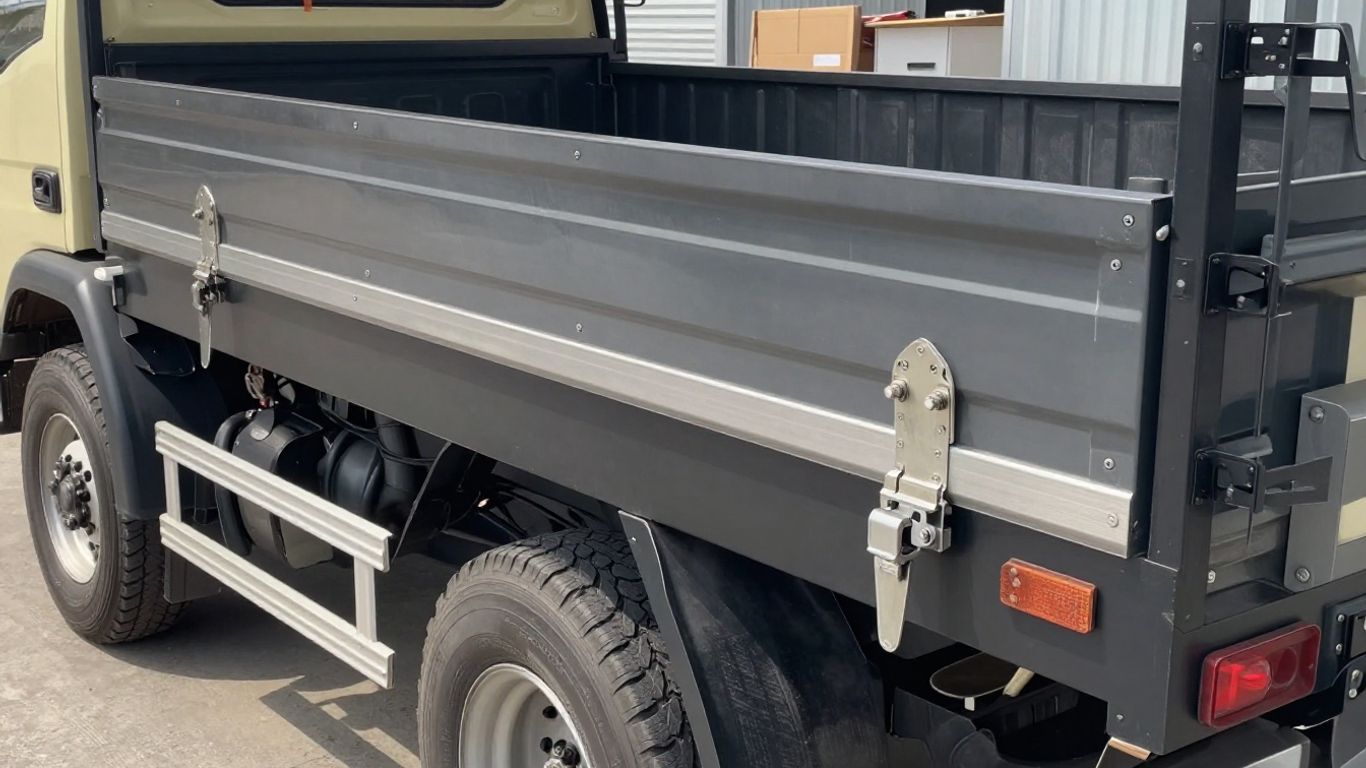
Drop-side hinges are the primary points of rotation that allow the bed walls to fold down. Regular movement can lead to mechanical strain, so observe how freely they pivot during normal operation. A hinge that sticks is often an early sign that it needs a thorough cleaning or adjustment to stop further wear.
Latch and catch assemblies for load security
Latches work in tandem with the hinges to keep your cargo contained. When these assemblies are misaligned, they might vibrate while driving, causing unnecessary metal-on-metal noise. Keeping them adjusted properly is vital for maintaining a consistent and secure seal along the perimeter of the tray.
Structural bracing and cross-member functions
Underneath the flat floor, a web of structural cross-members distributes weight across the chassis. These beams need to remain stiff and free of corrosion to handle heavy loads without buckling. If you notice any sagging in the flat surface, check whether these supports are still securely welded or bolted to the frame.
Tailgate release and locking cables
Release cables are often ignored until the moment they snap, preventing you from opening the tailgate. It is worth inspecting these lines for fraying at the anchor points. Ensuring they are set to the correct tension keeps the tailgate operating evenly whenever you load or unload your gear.
Essential maintenance for Suzuki Carry tray integrity
Maintaining the tray is not just about aesthetics; it is about keeping the truck functional in diverse environments. Because these parts are exposed to weather constantly, taking a proactive approach to care is essential for preventing premature degradation. Regular inspections allow you to address minor issues before they turn into expensive structural repairs.
Preventing rust in load-bearing channels
Rust often starts in hidden corners where moisture gets trapped. By keeping these areas dry and clean, you effectively strip away the conditions required for oxidation to take hold. Treat any bare metal immediately to preserve the structural weight-bearing capacity of the bed.
Lubricating hinge points for smooth operation
Smooth rotation depends on the health of your hinge pins and bushings. Regular application of a high-quality lubricant keeps friction low and prevents the metal surfaces from grabbing. In our experience, establishing a simple maintenance schedule is the best way to stay on top of this requirement.
| Part | Frequency | Recommended Action |
|---|---|---|
| Hinge Pins | Monthly | Lubricate sparingly |
| Load Bolts | Six Months | Inspect Torque |
| Bed Channels | Seasonal | Clean and Seal |
A consistent schedule ensures that every mechanical part remains in top condition for years. Following the pattern above will keep your tray moving smoothly regardless of the daily workload.
Checking bolt torque on chassis mounting points
Hardware that secures the tray to the chassis can loosen over time due to constant driving vibrations. Check these periodically to confirm that they are tight and properly seated in their original positions. Using a torque wrench ensures you do not over-tighten or strip the threads while performing this routine task.
Cleaning debris from drainage grooves
Drainage channels are designed to whisk away rain and dirt so that standing water does not build up. If these gaps become clogged with road grit, they act as reservoirs for stagnant moisture. Clearing them out after long jobs ensures that everything stays clean and corrosion-free.
Popular upgrade options for utility trays
Modernizing your setup is a great way to better match your current workflow and storage needs. Many owners find that small tweaks to the configuration of their Suzuki Carry tray parts make a significant difference in daily convenience. Selecting the right accessories helps you avoid overloading while maximizing the available real estate in the bed.
Installing heavy-duty tie-down anchor points
Adding extra tie-down points allows for more flexible cargo arrangements during transport. These additions provide peace of mind when hauling uneven loads. Focus on mounting them to reinforced areas of the frame to keep them from pulling through under stress.
Adding custom tray liners for surface protection
Tray liners act as a sacrificial layer against impacts and scratches. They prevent the primary bed steel from denting or chipping, which is where rust usually starts. Choosing a material that aligns with your specific usage style will provide the best protection against daily wear.
Upgrading to LED lighting for better visibility
Improved lighting is one of the most effective ways to make early starts or late-night finishes easier. LED units consume very little power and provide a bright, clear beam for any work done in the dark. Positioning them strategically keeps your workspace visible without blinding the driver.
Integrating under-tray tool storage boxes
Storage boxes utilize the space underneath the bed that otherwise goes to waste. When planning this addition consider the weight balance for the truck to ensure even loading. > Dedicated storage sections allow operators to keep tools organized and protected from environmental exposure rather than loose in the bed.
Effective organization within your workspace makes every job move faster.
Sourcing high-quality Suzuki Carry tray parts
Finding the right components for your truck can be challenging due to the variety of model codes and age ranges. Selecting quality parts is the most important factor in ensuring a perfect fit and long-term durability. Stick to reputable suppliers that understand the nuances of the platform.
Identifying OEM versus aftermarket manufactured components
OEM parts are designed to meet factory specifications, making them the most reliable choice for critical structural pieces. Aftermarket alternatives can offer cost savings, provided they are built to a high standard. Always check the build thickness and finish quality before committing to a cheaper replacement.
Evaluating the quality of galvanized steel replacements
Galvanized steel is a superior material choice for tray repairs due to its inherent resistance to the elements. Inspect the finish for any signs of uneven application or bubbling. If the coating looks thin or cracked, the piece will likely start to degrade prematurely once installed on your vehicle.
Navigating international marketplaces for JDM parts
Japan presents a wealth of unique parts that are often unavailable in local shops. Finding these requires a bit of patience and an understanding of the shipping logistical chains involved. Always verify the seller’s history before attempting to source hard-to-find components across international borders.
Checking part compatibility across different chassis codes
Chassis codes tell you precisely which generation of truck you have, which is critical for part fitment. Never assume a part from an older model will fit a newer one without checking specific dimensions first. Verification here saves a massive amount of frustration during the installation phase.
Common installation tips for replacement hardware
Installing new parts requires precision and the correct approach to avoid damaging surrounding structures. By taking your time with the alignment and using the right compounds, you ensure that the repair lasts as long as the original factory build. Proper planning here is as important as the quality of the part itself.
Preparing the surface for proper alignment
Before you tighten anything, ensure the contact surfaces are clean and flat. Any residual dirt or old paint can cause the new part to sit incorrectly, leading to stress fractures. Use a wire brush to clear away debris until you reach solid metal.
Using anti-seize compounds on rusted threads
Applying anti-seize is a pro-level trick for any hardware you might need to remove again. It creates a film that prevents the bolt from bonding to the nut in wet or salty conditions. This makes future adjustments significantly easier for the next mechanic who touches the truck.
Ensuring load capacity remains within safety limits
Even after modifications, always respect the specific weight limits of your vehicle frame. Adding too much heavy equipment can compromise your handling and wear out the suspension components prematurely. You can find guidance on maintenance and service details for your specific truck to keep things safe.
Verifying structural integrity after modifications
After installation, perform a final check to ensure everything is mounted securely and looks square. Test the movement of any hinges or latches under light tension before adding a full load. This final verification keeps the bed functioning safely when you are out in the field.
Conclusion
Taking regular care of your tray parts prevents small issues from turning into major failures later on. By standardizing your maintenance, choosing quality replacements, and installing them with precision, you keep your vehicle ready for any task. Consistency is the key to preserving the value and performance of your truck for the long haul.